Why Common Yarrow Works in Arkansas
Common yarrow thrives in Arkansas not because our climate mirrors its native western habitats, but because this determined perennial has learned to survive wherever the soil drains fast and the sun beats down. That’s the secret to understanding yarrow here: it’s a plant built for arid conditions trying to make a home in our humid subtropical world. When you get the drainage right, yarrow becomes something truly valuable—a living defense against our increasingly volatile summer weather patterns. For more detailed botanical information, see the USDA plant profile for Achillea millefolium.
I’ve watched yarrow establish itself in some of the most punishing spots in my garden, the places where July heat turns the soil surface into something resembling concrete between thunderstorms. While other perennials wilt and sulk, yarrow’s finely divided foliage holds steady, creating a protective canopy over exposed soil. It’s not just surviving; it’s functioning as a living mulch during those brutal stretches when we might go ten days without rain, then get three inches in an afternoon.
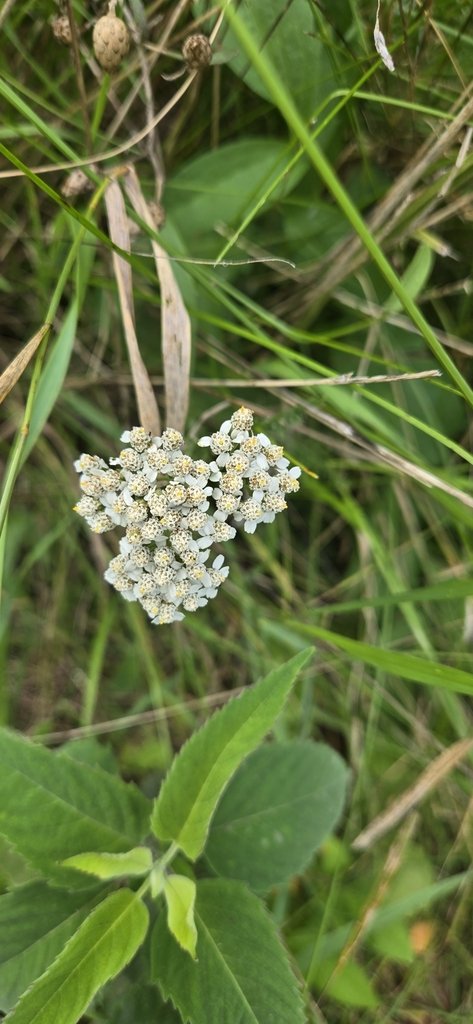
The timing of yarrow’s bloom period—late spring into early summer—fills a critical gap in Arkansas pollinator gardens. Right before the oppressive heat of July and August forces many flowers into dormancy, yarrow provides flat-topped clusters of tiny white (sometimes pink or yellow) flowers that native bees, butterflies, and beneficial insects desperately need. I’ve counted dozens of small native bees working a single yarrow clump on a June morning, gathering resources before the season turns harsh.
While yarrow isn’t native to Arkansas, it has naturalized so thoroughly across the state that you’ll find it along roadsides, in pastures, and colonizing disturbed ground throughout the Ozarks and beyond. In the old folk medicine traditions of the region, it was gathered as a wound herb—crushed leaves applied to stop bleeding from farm accidents and minor injuries. That practical heritage still resonates with gardeners who value plants that earn their keep.
Getting Started
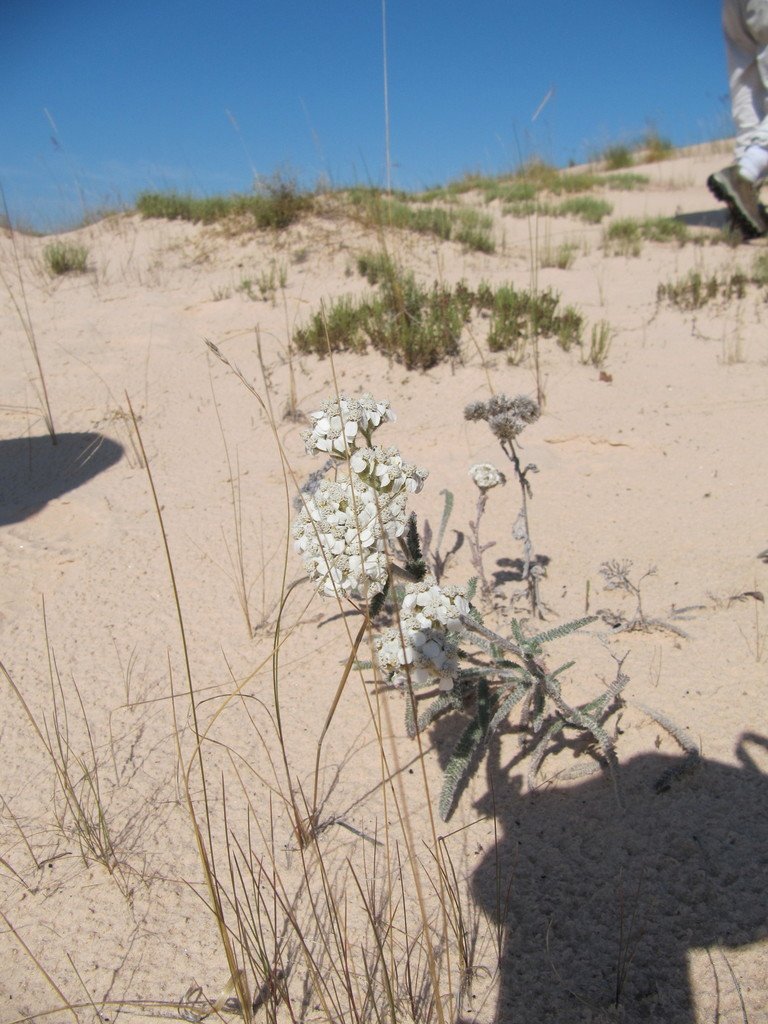
The single most important factor for yarrow success in Arkansas is drainage. Our typical heavy clay soils, while wonderfully fertile for many plants, hold too much moisture for yarrow’s liking. Before planting, I dig in at least two inches of coarse sand or fine gravel into the top foot of soil. This isn’t optional—it’s the difference between a thriving clump and a rotted-out disappointment by the second summer.
Plant yarrow in Arkansas between mid-March and early April, or wait until mid-September through October. I prefer the fall window because it gives roots time to establish during our mild winters without the stress of immediate summer heat. Spring plantings work fine, but you’ll need to be more attentive with water through that first June and July as they settle in. The Missouri Botanical Garden plant finder provides additional growing information for this species.
Choose the sunniest spot you have—at least six hours of direct sun, preferably more. Partial shade encourages weak, floppy growth and increases the risk of powdery mildew, which loves our humid air. Space plants eighteen inches apart if you want a solid groundcover effect, or give them two feet if you’re mixing them with other perennials and want room for air circulation.
Here’s a tip I learned after losing my first yarrow planting to crown rot: create a slight mound when you plant, setting the crown just a hair above the surrounding soil grade. This small elevation makes all the difference when summer thunderstorms dump water across the garden. The crown stays a bit drier, water drains away faster, and your yarrow doesn’t sit in moisture during those humid nights when everything stays damp until mid-morning.
Whether you’re starting from divisions, rooted cuttings, or seed, yarrow establishes quickly once conditions suit it. Seeds sown directly in prepared beds in late fall will germinate when soil temperatures warm in spring. Divisions from friends’ gardens root fast—yarrow wants to spread, and in Arkansas’s fertile ground, it will.
Through the Seasons
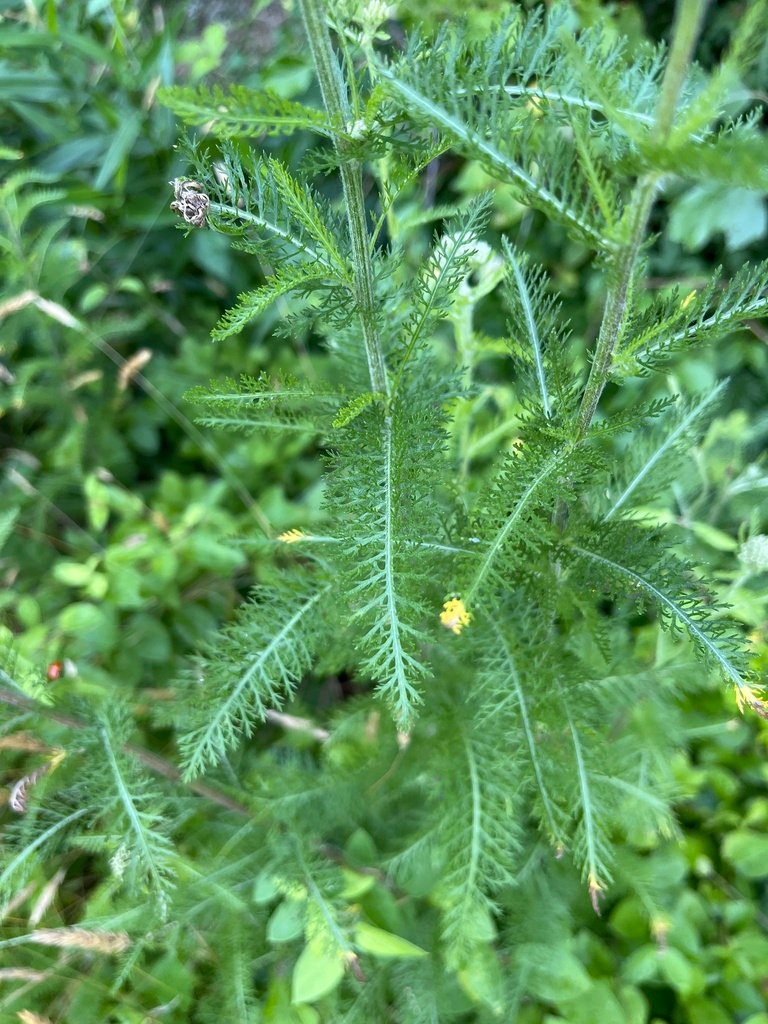
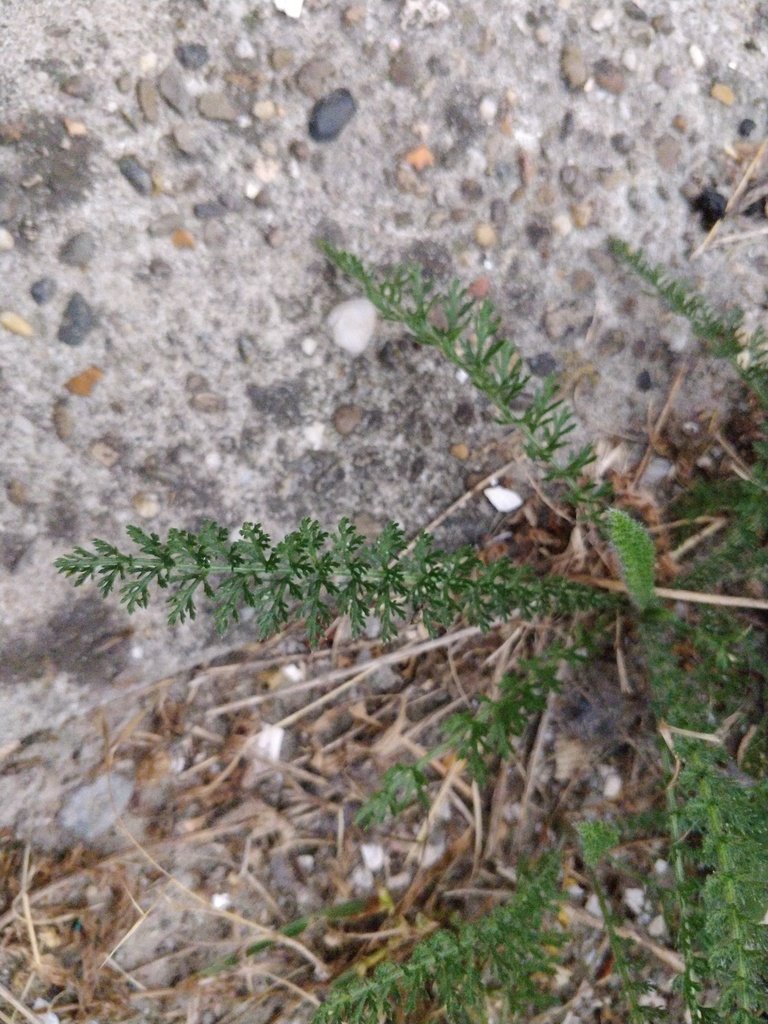
Spring arrives gradually in Arkansas, and yarrow responds accordingly. By late March, you’ll see fresh ferny foliage emerging from the crown, that distinctive finely-cut green that gives the plant its species name, millefolium—thousand leaves. This early growth is vigorous and establishes the foundation for the season ahead. If we get a late frost in early April, mature yarrow shrugs it off without damage.
Late April through May brings rapid vertical growth. Flower stalks push up quickly once daytime temperatures consistently reach the seventies. The flat-topped flower clusters—technically corymbs—begin opening in mid to late May, depending on your location within the state. Northwest Arkansas gardens bloom a week or two earlier than those in the Delta region. This is prime yarrow season, when the plant looks its absolute best and pollinators work the flowers constantly.
Summer tests yarrow’s resolve, but that’s when you appreciate its drought tolerance. June often brings heavy rainfall in Arkansas, which yarrow tolerates if drainage is good. But when July and August turn dry and temperatures push past ninety-five degrees for days on end, yarrow keeps its foliage while neighboring perennials wilt. The flowers fade by mid-July in most years, leaving attractive seed heads that beneficial insects appreciate. Some gardeners cut these back to encourage a lighter rebloom in early fall; I often leave them for wildlife.
August humidity is yarrow’s real test in Arkansas. This is when powdery mildew becomes visible if air circulation is poor or if you’ve been overhead watering. The plant survives, but appearance suffers. I’ve learned to accept some leaf spotting during our most oppressive weeks—it’s the price of growing a plant adapted to drier climates.
Fall brings relief and renewed vigor. As September temperatures moderate, yarrow sends up fresh foliage that stays attractive through October and often into November. This is when I divide overcrowded clumps, taking advantage of our extended growing season. The plant goes dormant gradually as winter approaches, the foliage browning down but the underground rhizomes remaining very much alive.
Winter dormancy in Arkansas is brief and mild. Yarrow requires no protection in zones 6-8, and the dead foliage provides some shelter for beneficial insects. I leave it standing until late February, then cut everything back to ground level just before new growth emerges. Some winters we barely freeze; others bring a few hard frosts. Yarrow handles all of it without complaint.
Care & Keeping
The paradox of growing yarrow in Arkansas is that we get plenty of rainfall, but you have to water carefully anyway. During the first growing season, water deeply once a week if we haven’t had at least an inch of rain. After establishment, yarrow is remarkably drought-tolerant and actually suffers from overwatering more than under-watering. I let mine go completely dry between waterings, even when foliage looks a bit tired during July heat waves.
Never water overhead if you can avoid it. Use soaker hoses or drip irrigation to keep moisture off the foliage, especially during humid weather. Our natural rainfall comes from above, obviously, and there’s nothing you can do about thunderstorms. But supplemental watering should always target the root zone. Wet foliage plus high humidity equals powdery mildew, guaranteed.
Yarrow needs almost no fertilizer in Arkansas’s naturally fertile soils. In fact, rich soil encourages excessive spread and weak, floppy growth that falls over by mid-summer. If you must feed, use a light application of compost in early spring—maybe a quarter-inch layer scattered around the base. That’s plenty. Avoid high-nitrogen fertilizers entirely; they create lush growth that’s more susceptible to disease and requires staking.
Mulch carefully around yarrow. A thin layer—no more than an inch—of coarse material like pine bark nuggets helps moderate soil temperature during summer extremes, but keep it pulled back from the crown itself. Heavy mulch holds moisture against the plant’s base, inviting rot. I often skip mulch entirely with established yarrow, letting the plant’s own dense foliage shade the soil.
Deadheading spent flowers in late June or early July often triggers a modest rebloom in September, and it definitely keeps the plant looking tidier. Cut flower stalks back to just above the basal foliage. Some years I deadhead; other years I leave the seed heads for birds and insects. Both approaches work fine.
The most important maintenance task is managing spread. Yarrow expands through underground rhizomes, and in Arkansas’s favorable growing conditions, a single plant can easily spread three feet in all directions within two or three years. Divide clumps every two to three years in early fall or early spring, keeping only the vigorous outer portions and discarding the woody center. Don’t be shy about digging up and discarding excess plants—yarrow’s invasive potential in Arkansas gardens is real.
What to Watch For
Powdery mildew is the most common issue with yarrow in Arkansas, and during humid August weather, you’re fighting an uphill battle. The fungus appears as white or grayish powder on leaf surfaces, eventually causing leaves to yellow and die back. Good air circulation helps tremendously—this is why proper spacing matters. Avoid overhead watering, especially in the evening. If mildew becomes severe, cut affected foliage back to the ground; fresh growth will emerge when conditions improve.
Crown rot kills more yarrow in Arkansas than any pest. It shows up as blackened, mushy tissue at the plant’s base, usually after extended periods of wet soil. Once crown rot establishes, the plant is usually lost. Prevention is everything: perfect drainage, proper planting height, careful watering. If you lose a yarrow to rot, don’t replant in the same spot without significantly improving drainage first.
Spider mites occasionally appear during hot, dry stretches, causing stippled, yellowed foliage. A strong spray of water dislodges them, but remember the trade-off with overhead watering and mildew. I tolerate minor spider mite damage rather than create conditions for fungal problems.
Aphids sometimes cluster on flower stems and new growth in spring. They’re easily controlled with insecticidal soap or simply blasted off with water. Yarrow’s strong scent usually deters most chewing insects, which is one reason it’s valuable as a companion plant.
The honest challenge with yarrow in Arkansas isn’t pests or diseases—it’s managing the plant’s aggressive spread without losing the benefits it provides. In fertile, well-watered garden beds, yarrow can outcompete less vigorous plants, including some of our native species. I’ve seen it crowd out lanceleaf coreopsis and push aside native asters in mixed borders. You need to be vigilant about removing runners that travel where you don’t want them.
Summer thunderstorms with strong winds can flatten yarrow, especially if it’s growing in overly rich soil or partial shade. Proper sun exposure and lean soil produce sturdier plants with thicker stems. If flopping is a persistent problem, cutting plants back by one-third in late May encourages branching and creates a more compact form, though you’ll sacrifice some flower production.
Good Companions for Arkansas Gardens
Yarrow pairs beautifully with butterfly weed in hot, well-drained sites. Both thrive in lean soil and full sun, and their bloom times overlap just enough to create continuous color from late spring through summer. Butterfly weed’s orange flowers contrast strikingly with yarrow’s white or pink blooms, and both attract an abundance of beneficial insects and pollinators.
I’ve had excellent results combining yarrow with purple coneflower in Arkansas borders. Both tolerate our summer heat, and yarrow’s fine-textured foliage provides textural contrast to coneflower’s bold leaves and prominent flower heads. They share similar cultural requirements—full sun, good drainage, moderate water—which makes maintenance simpler.
Russian sage makes an outstanding companion for yarrow, especially in the challenging dry spots many Arkansas gardeners struggle with. Both plants handle clay soil amended for drainage, both laugh at summer heat, and Russian sage’s silvery foliage and blue flowers complement yarrow’s white blooms perfectly. This combination works particularly well in western Arkansas gardens where summer rainfall is slightly lower.
For a ground-level combination, try yarrow with creeping thyme along path edges or in rock gardens. The thyme stays low while yarrow provides vertical interest, and both appreciate sharp drainage and full sun. This pairing works especially well in raised beds where you’ve created the fast-draining conditions both plants prefer.
Ornamental grasses like little bluestem provide a native counterpoint to yarrow’s non-native status while sharing its tolerance for tough conditions. The grass’s fine texture and upright form contrast with yarrow’s spreading habit, and both hold up through Arkansas’s summer extremes. This combination looks particularly attractive from late summer through fall when the grass develops burgundy tints.
Plant Profile at a Glance
| Scientific name | Achillea millefolium |
|---|---|
| Plant type | Asteraceae |
| Mature size | Herbaceous Perennial tall, Perennial wide |
| Hardiness zones | Adaptable |
| Light | Fast |
| Soil | 1-3 ft, pH 1-2 ft |
| Water | 12-18 inches |
| Bloom time | AK, MT, ND, SD, MN, WI, MI, NY, VT, NH, ME, WA, OR, ID, WY, CO, NM, UT, NV, CA |
| Flower color | Herbaceous |
| Edibility | High |
| Toxicity | Low |
| Native to Arkansas | No |
A Few Last Thoughts
Growing yarrow in Arkansas has taught me that sometimes the most valuable plants are those that challenge us a bit. It forces you to think about drainage, to resist the temptation to overwater and overfeed, to accept that humidity will take its toll on even tough plants during our most oppressive weeks.
The payoff comes during those brutal July stretches when much of the garden looks stressed, and yarrow just keeps functioning—holding soil in place, providing cover for beneficial insects, maintaining its presence without demanding attention. It’s a workhorse plant disguised as a delicate wildflower, and once established in the right conditions, it asks very little while giving a lot.
I encourage you to start small with yarrow. Plant one or two clumps in a well-drained, sunny spot and observe how they perform through a full year before expanding. Pay attention to how quickly they spread in your particular soil. Learn your garden’s drainage patterns, because that knowledge will serve you well beyond yarrow.
And here’s my final practical tip: when you divide yarrow in fall, pot up a few divisions and share them with neighbors who are struggling with hot, dry spots. Yarrow travels well as a gift, roots quickly from divisions, and solves problems in tough sites. Just be sure to pass along the drainage advice—it matters more than anything else you can tell them. For region-specific advice, consult your local Arkansas Cooperative Extension.