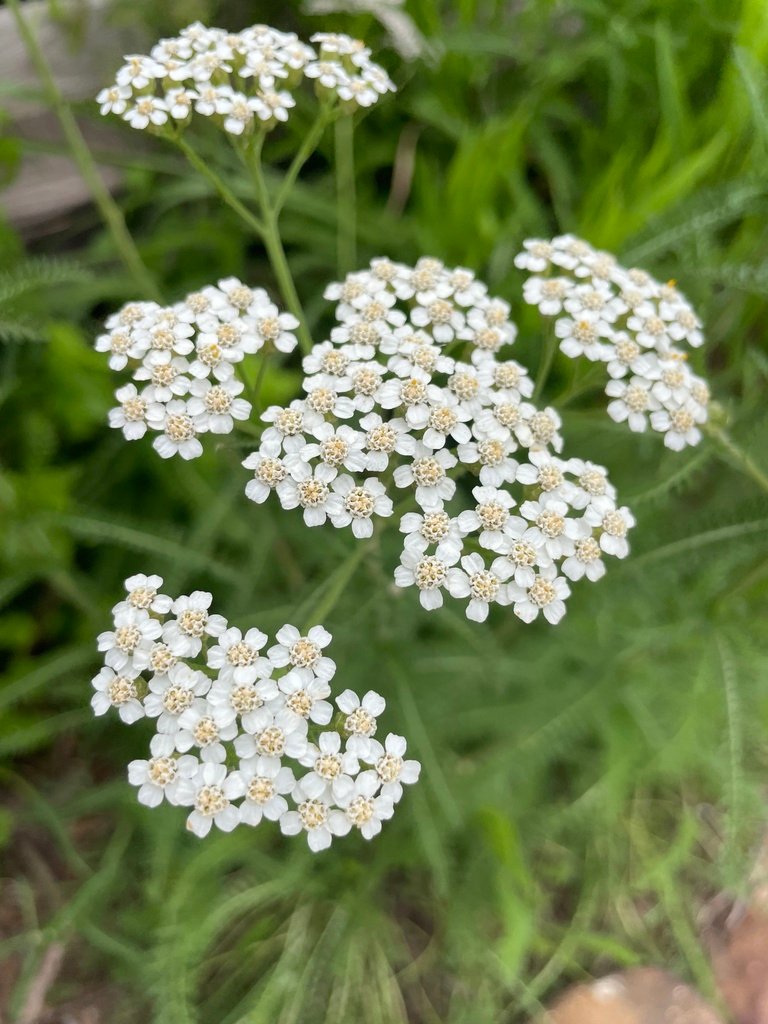
Why Common Yarrow Works in Alaska
If you’ve driven Alaska’s highways in summer, you’ve seen common yarrow—masses of white flower clusters colonizing roadside gravel, thriving where most plants would struggle. This isn’t a delicate garden perennial here; it’s a pioneering force that takes full advantage of our extraordinary growing conditions. While gardeners in the Lower 48 carefully cultivate yarrow, Alaskans often need to manage its exuberance instead. For more detailed botanical information, see the USDA plant profile for Achillea millefolium.
The secret to yarrow’s success in Alaska lies in our summer photoperiod. Those long June and July days, when the sun barely dips below the horizon, supercharge this plant’s growth cycle. What might take weeks elsewhere happens in days here. The continuous light triggers exceptionally vigorous flowering that can last from early June straight through August—a bloom period that would exhaust most perennials. I’ve watched roadside stands go from first shoots to full flower in what seemed like a blink, then maintain that display for the entire brief growing season.
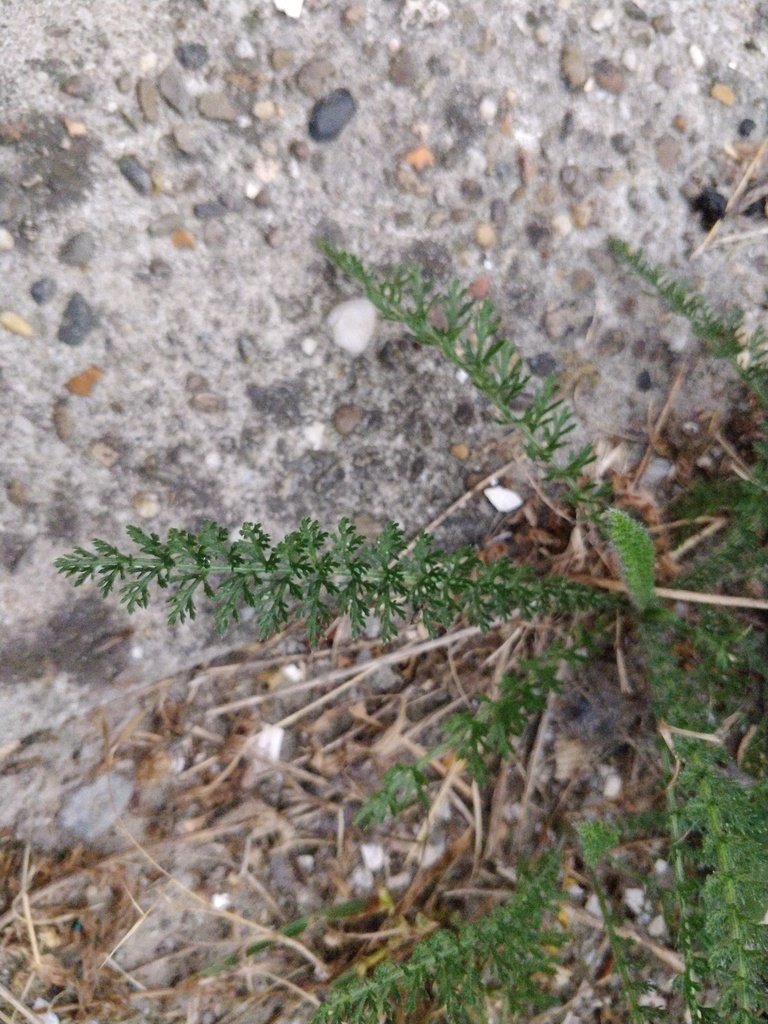
Yarrow’s tolerance for poor conditions makes it invaluable in our challenging landscape. It colonizes compacted gravel, disturbed construction sites, and the unstable ground left behind by permafrost thaw. Those feathery, fern-like leaves appear on glacial outwash plains and gravel river bars long before other plants establish, stabilizing soil and setting the stage for succession. Some Athabascan peoples traditionally called it “sneeze weed” and used it medicinally as a poultice for wounds—a practice that makes sense given how reliably it shows up wherever people travel and work.
But here’s the honest truth: yarrow’s vigor in Alaska gardens can become a problem. That same rapid growth that helps it colonize disturbed ground means it can quickly overwhelm more refined perennials in a cultivated bed. This is a plant that earns its keep best when given space to do what it does naturally—fill in challenging areas, hold soil on slopes, and provide cutting flowers—rather than being tucked politely into a mixed border.
Getting Started
Timing matters differently here than in most growing guides you’ll read. Forget about spring planting dates based on frost-free periods—in many parts of Alaska, you’re looking at mid-May to early June before soil temperatures rise enough for active root growth. In Southeast Alaska’s milder maritime zones, you might start a few weeks earlier, while in the Interior around Fairbanks, waiting until late May gives you better results.
The beauty of yarrow is that you don’t need to coddle it. In fact, the poorer your soil, the better it often performs. Rich, amended garden soil can make yarrow too lush and floppy. I’ve had my best success planting it in areas other gardeners consider problematic—the gravelly patch beside the driveway, the compacted strip along the road, the dry slope where nothing else wants to grow. If you’re dealing with clay that turns to concrete when dry, work in some coarse sand or fine gravel, not compost. Yarrow appreciates drainage more than fertility. The Missouri Botanical Garden plant finder provides additional growing information for this species.
Spacing depends entirely on your goal. For a quick ground cover that will knit together and suppress weeds, set plants 12 inches apart. If you want individual clumps with air circulation (which helps prevent fungal issues in our damp coastal climates), give them 18 to 24 inches. Division is the fastest way to establish yarrow—dig a clump in spring, pull it apart into fist-sized sections with roots attached, and replant. You’ll have blooming plants that same summer.
Here’s a tip I learned the hard way: if you’re planting yarrow near a vegetable garden or perennial bed you care about, install a physical barrier. Sink metal edging or thick landscape fabric at least 12 inches deep. Yarrow spreads by rhizomes that travel horizontally underground, popping up where you least expect them. In our long-day summers, those rhizomes grow with startling speed. What looks like a contained plant in June can send runners three feet away by August.
Through the Seasons
Spring in Alaska means mud season, and yarrow emerges as soon as the ground thaws. Those feathery leaves push up through late snowmelt, often appearing in April in southern coastal areas, May in the Interior. The foliage develops rapidly once temperatures stay consistently above 45 degrees, forming low rosettes that spread outward. By late May, you’ll notice the stems beginning to elongate, preparing for the bloom surge to come.
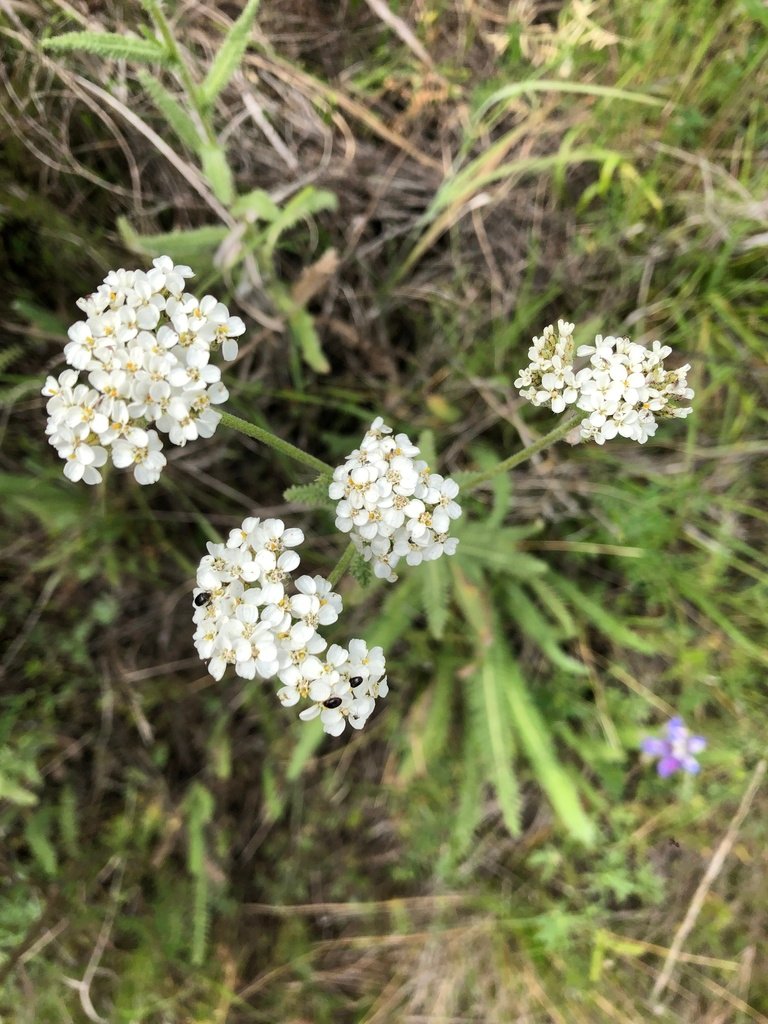
Summer is yarrow’s moment. As we move into those long June days, flower stalks shoot up with remarkable speed. In a typical Anchorage garden, you’ll see buds forming by early June, with full bloom hitting around the summer solstice. The continuous daylight keeps the flowers coming—unlike in shorter-day climates where yarrow might pulse through several bloom cycles, here it maintains one extended display. The flat-topped flower clusters attract every pollinator in the neighborhood, and I mean every one. On a sunny July afternoon, a yarrow patch buzzes with bumblebees, hoverflies, and countless smaller insects.
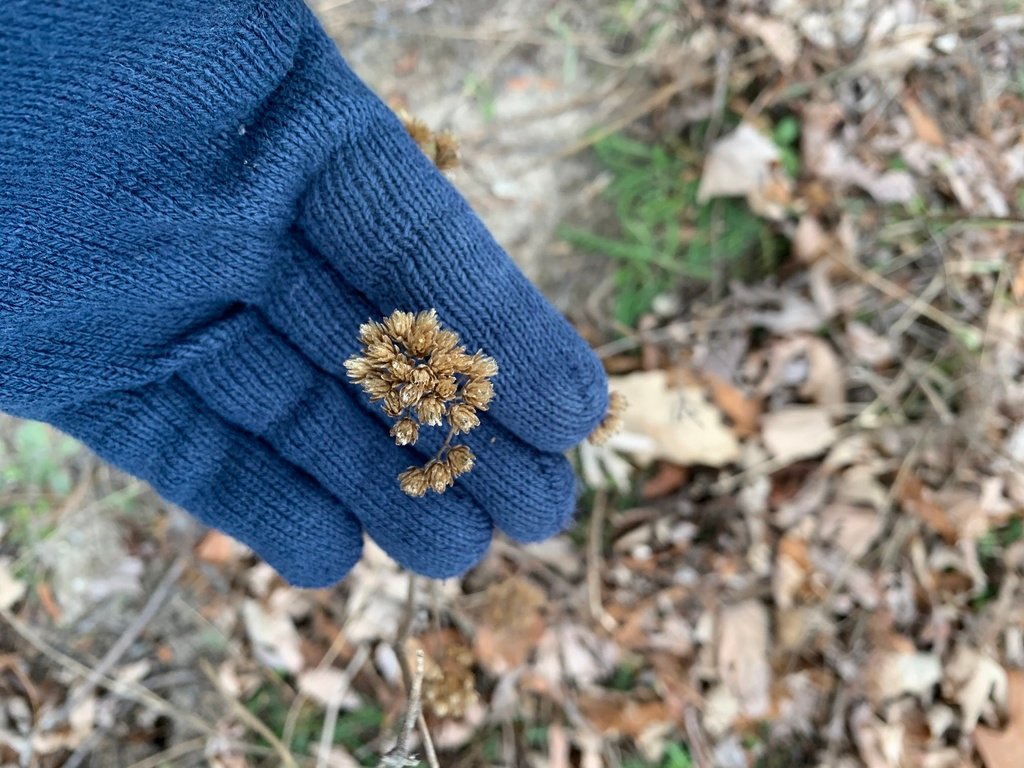
This extended bloom period lasts well into August in most areas, sometimes stretching into September if we have a mild fall. The flowers age from bright white to cream to tan, and many gardeners (myself included) leave them standing for the visual interest and continued insect value. By late August, you’ll notice the plants begin to slow their growth as day length finally starts decreasing noticeably. The foliage remains attractive through early fall, though it may develop some browning at leaf tips if we get early frosts.
Fall preparation is minimal. Some gardeners cut back the dead stems in September or October; others leave them standing through winter for structure and wildlife habitat. I tend to leave mine—the dried flower heads catch snow in interesting patterns, and small birds pick through them for insects and seeds. The foliage dies back to ground level after hard frost, typically in October for most regions. In Southeast’s mild maritime climate, some basal leaves may stay semi-evergreen through winter in sheltered spots.
Winter requires no intervention. Yarrow’s roots go deeply dormant under snow cover, perfectly adapted to our long, cold season. The real winter challenge isn’t cold—it’s wet. In areas with frequent freeze-thaw cycles, particularly in coastal zones, excess moisture around the crown can cause rot. If you’re growing yarrow in heavy soil that stays soggy through winter, you may lose some crowns. This is why gravelly, fast-draining sites work so much better for long-term success.
Care & Keeping
Watering yarrow in Alaska feels counterintuitive if you’ve read standard care guides. Most sources recommend regular irrigation, but here, you’re more likely to have problems from too much water than too little. Our summer rainfall, particularly in coastal and Southcentral areas, provides more than enough moisture. I haven’t watered established yarrow in my Anchorage garden in ten years. During rare dry spells in the Interior, where precipitation is lower, you might need to water every two to three weeks, but even there, yarrow tolerates drought better than almost any perennial.
The exception is newly planted divisions or seedlings during their first season. These need consistent moisture until roots establish, which might mean weekly watering if we have a dry June. Once they’ve made it through that first summer, consider them self-sufficient. Overwatering, especially in our clay-heavy soils, causes more problems than it solves—weak, floppy growth that’s prone to foliar diseases and root rot.
Feeding is generally unnecessary and often counterproductive. Yarrow evolved on poor soils, and rich conditions make it grow too lush and tall, requiring staking. If you’re planting it in truly wretched ground—like pure gravel or construction fill—a light application of slow-release organic fertilizer in spring might help it establish faster. But in typical garden soil, skip the fertilizer entirely. The plant will be healthier, sturdier, and less prone to flopping.
Mulching requires careful thought in Alaska. In the Interior’s drier climate, a thin layer of gravel or coarse sand around the crown helps suppress weeds and maintain good drainage. But in wetter coastal areas, mulch can trap moisture against the crown, creating ideal conditions for fungal problems. I use no mulch on my yarrow in Anchorage—just bare soil or a gravel collar immediately around the crown. The plants fill in densely enough that weeds become minimal after the first year.
Pruning happens once a year at most. After the flowers fade and turn brown, usually by late August or September, you can cut the entire plant back to the basal foliage. This tidies the appearance and prevents self-seeding if you’re trying to control spread. However, leaving the dried stems standing through fall and winter provides habitat value and honestly looks quite attractive under fresh snow. I typically cut mine back in early spring just before new growth emerges, which makes cleanup easier—the stems are brittle and break away cleanly when fully dried.
Every three to four years, consider dividing established clumps. They become woody in the center over time, with vigorous growth only at the edges. Spring division rejuvenates the plant and gives you extras to spread around problem areas in your landscape. This regular division also helps contain spread—by removing sections regularly, you prevent the plant from forming massive colonies that march across your property.
What to Watch For
Honestly, yarrow’s biggest problem in Alaska is itself—its aggressive spreading nature in our long-day summers. Those rhizomes travel underground with startling speed, and you’ll find new shoots popping up feet away from the mother plant. This isn’t necessarily bad if you’ve planted it intentionally as a groundcover or in a wild area, but it becomes problematic near gardens where you want control. Check the perimeter of your yarrow patch monthly during summer and slice out runners with a sharp spade. It’s easier to remove small new shoots than to dig out established clumps.
In our wetter regions, particularly Southeast Alaska and coastal areas with frequent rain, powdery mildew can develop on yarrow foliage during humid periods. You’ll notice white, dusty patches on leaves, usually starting in late summer when nights cool but humidity remains high. It’s more cosmetic than life-threatening, but it does make the plant look shabby. Good air circulation helps prevent this—don’t crowd yarrow with other plants, and avoid overhead watering. If mildew becomes severe, cutting back affected stems removes the problem and the plant quickly regrows.
Aphids occasionally cluster on new growth and flower buds, particularly during the explosive growth of early summer. A strong spray from the hose usually handles light infestations. Heavy populations attract ladybugs and lacewings, which quickly bring things back into balance. I’ve never felt the need to use any treatment—the beneficial insects always show up within a week or two. Yarrow’s strong aromatic oils make it generally unappealing to most pests, which is part of why it performs so reliably.
Crown rot is the most serious issue, particularly in areas with poor drainage. If your yarrow suddenly wilts and browns despite adequate moisture, dig down and check the crown. Soft, mushy tissue at the base indicates fungal rot, usually caused by sitting in water during our wet periods or through winter freeze-thaw cycles. There’s no cure—remove the affected plant entirely and improve drainage in that spot before replanting. This is why I keep emphasizing sharp drainage, especially in our heavier soils.
Wildlife damage is minimal. Moose occasionally browse the foliage in spring when tender, but they don’t favor it and move on quickly to tastier options. The strong scent seems to deter most herbivores. Voles sometimes tunnel through yarrow patches in winter under snow, but they’re moving through rather than feeding—the roots are too bitter and tough to interest them.
Good Companions for Alaska Gardens
Pairing yarrow with other plants requires thinking about its aggressive nature and matching it with equally tough companions that won’t be overwhelmed. Shasta daisies work beautifully alongside yarrow, creating a classic white-on-white combination that lights up the garden during our bright summer nights. Both tolerate similar lean, well-drained conditions and bloom simultaneously in July. The daisies’ upright form contrasts nicely with yarrow’s flat flower clusters.
For color contrast, blanket flowers provide brilliant orange and red blooms that pop against yarrow’s white. Both are drought-tolerant once established and thrive in the gravelly, lean soils that suit our climate. I’ve planted them together on a dry south-facing slope where nothing else wanted to grow, and the combination has been maintenance-free for years. The blanket flowers’ low mounded form also complements yarrow’s taller, more upright habit.
In shadier spots with better soil, columbines can share space with yarrow at the edge of woodland areas. The columbines bloom earlier, in May and June, while yarrow takes over the show in July and August. This succession keeps the area interesting throughout our short season. Both handle our cool nights well and don’t require deadheading to look presentable.
For a more naturalistic planting that mimics Alaska’s wild meadows, combine yarrow with native fireweed. Yes, fireweed spreads aggressively too, but if you’re filling a large, wild area or stabilizing a roadside, these two pioneers work together beautifully. The fireweed’s tall magenta spikes bloom slightly later than yarrow, extending the season. Both attract massive numbers of pollinators and require zero maintenance once established.
Ornamental grasses make excellent companions because they can hold their own against yarrow’s spreading tendency. Blue fescue or tufted hairgrass planted in clumps throughout a yarrow bed creates textural interest and helps break up what can become a monotonous mass of white flowers. The grasses’ vertical form provides structure while yarrow fills in around them.
Plant Profile at a Glance
| Scientific name | Achillea millefolium |
|---|---|
| Plant type | Asteraceae |
| Mature size | Herbaceous Perennial tall, Perennial wide |
| Hardiness zones | Adaptable |
| Light | Fast |
| Soil | 1-3 ft, pH 1-2 ft |
| Water | 12-18 inches |
| Bloom time | AK, MT, ND, SD, MN, WI, MI, NY, VT, NH, ME, WA, OR, ID, WY, CO, NM, UT, NV, CA |
| Flower color | Herbaceous |
| Edibility | High |
| Toxicity | Low |
| Native to Alaska | No |
A Few Last Thoughts
After years of growing yarrow in Alaska, I’ve come to appreciate it less as a garden plant and more as a practical solution to difficult situations. That gravelly strip beside the garage where nothing else would grow? Yarrow thrives there and actually looks good. The eroded bank behind the shed? Yarrow holds it in place and attracts butterflies. The problem corner where tree roots make digging impossible? Yarrow doesn’t care about competition from roots.
The key is working with yarrow’s nature rather than against it. Don’t try to make it behave like a polite perennial border plant—it won’t. Instead, use its pioneering spirit to solve problems in your landscape. Let it naturalize in rough areas. Use it as a living mulch under shrubs that can hold their own. Plant it where you want quick, reliable coverage without ongoing maintenance.
Our unique summer light gives yarrow a vitality here that gardeners elsewhere don’t experience. Those flat-topped flower clusters glowing white at 11 PM on a June evening, humming with sleepy bumblebees still working in the near-daylight—that’s pure Alaska magic. The plant’s vigor is part of its character, and once you stop fighting it and start directing it toward useful purposes, yarrow becomes an invaluable part of a practical Alaska landscape.
One final practical tip: if you’re new to Alaska gardening and feeling overwhelmed by the challenge of short seasons and difficult conditions, start with yarrow. Plant it in your worst problem spot and watch how it performs. Its success will teach you what thrives here—tough, adaptable plants that capitalize on our extraordinary light rather than mourning our short season. Yarrow won’t give you the cottage garden of your dreams, but it will give you a reliable, beautiful, useful plant that requires almost nothing and delivers consistently, year after year. Sometimes that’s exactly what you need. For region-specific advice, consult your local Alaska Cooperative Extension.