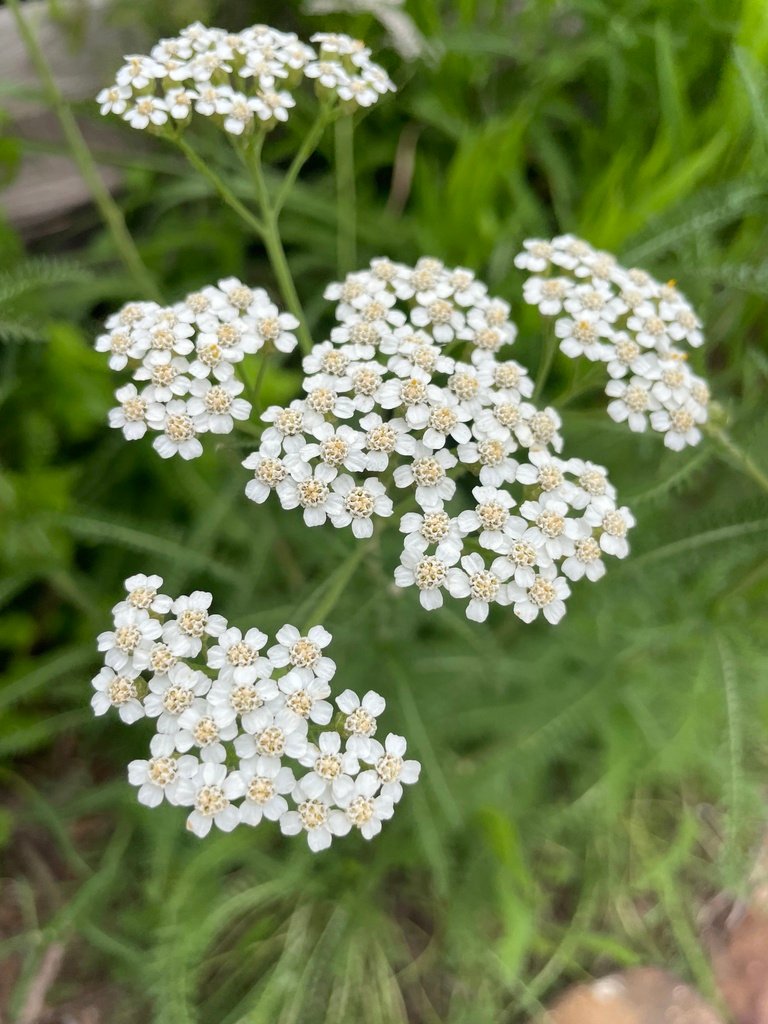
Why Common Yarrow Works in Alaska
When you’re gardening in Alaska, you learn quickly which plants can actually handle what our state throws at them. Common yarrow isn’t just tough enough for our conditions—it’s practically designed for them. This herbaceous perennial thrives in zones as low as Zone 1, which means it laughs at those brutal Interior winters where temperatures plummet to fifty below zero. I’ve watched yarrow in Fairbanks come back year after year without any winter protection whatsoever, something that can’t be said for many perennials in garden catalogs. For more detailed botanical information, see the USDA plant profile for Achillea millefolium.
But here’s what makes yarrow truly special for Alaska: it’s become a critical plant for our native pollinators. Our bees, butterflies, and other beneficial insects face an incredibly compressed foraging season—they’ve got maybe three to four months to gather everything they need to survive the rest of the year. Yarrow blooms reliably during this narrow window, producing clusters of tiny flowers packed with pollen and nectar when our pollinators need it most desperately. As habitat loss continues even in Alaska, establishing yarrow in your garden creates a genuine pollinator refuge.
The plant’s ferny foliage looks delicate, but it’s deceptively hardy. Those finely divided leaves stay attractive from spring through fall, providing textural interest in gardens from the maritime climate of Southeast Alaska to the subarctic conditions of the Interior. And while it’s not native to Alaska specifically, it naturalizes so readily here that you’ll spot it along roadsides, riverbanks, and disturbed areas throughout the state—a testament to how well it fits our environmental conditions.
Alaska Natives, particularly Dena’ina and Athabascan groups, recognized yarrow’s value long before contemporary gardeners. They used it extensively as a wound poultice, calling it “squirrel tail” in some regions. This traditional use makes perfect sense when you understand the plant’s ubiquitous presence and legendary healing properties. When a plant has sustained people through countless harsh winters, you know it has staying power.
Getting Started
Timing is everything in Alaska, and with yarrow, you’ve got more flexibility than with many perennials. If you’re starting from divisions or potted plants, get them in the ground as soon as the soil is workable in spring—typically late April in the Anchorage area, mid-May in Fairbanks, and earlier in Southeast coastal communities. The plant establishes quickly, and those extra weeks of root development before summer’s growth surge make a real difference.
Seed starting works beautifully too, though it requires patience. Start seeds indoors six to eight weeks before your last expected frost, or direct-sow them in late May through early June once soil temperatures reach at least 50°F. The extended daylight we enjoy during summer—eighteen to twenty-four hours depending on your latitude—supercharges yarrow’s growth rate. What might take a full season to establish in the Lower 48 can fill in remarkably fast here. The Missouri Botanical Garden plant finder provides additional growing information for this species.
Choose your location carefully, because yarrow will be there for the long haul. Full sun is ideal, though it tolerates partial shade reasonably well in coastal areas where intense sun is less common. The real beauty is its soil tolerance. Alaska’s often gravelly, low-fertility soils don’t faze yarrow one bit. I’ve grown it successfully in everything from sandy loam to heavy clay amended with just a bit of compost. If your soil drains reasonably well and isn’t waterlogged, yarrow will manage.
Space plants twelve to eighteen inches apart if you’re creating a drift or using yarrow as groundcover. For specimen plantings or mixed borders, give them the full eighteen inches—you’ll appreciate the breathing room later when division time rolls around. Here’s a tip I learned the hard way: plant yarrow where you can easily access it with a sharp spade. You’ll be dividing these clumps every year or two, and having clear access makes that job infinitely easier than wrestling around other plants.
Soil preparation in Alaska doesn’t need to be elaborate for yarrow. Turn over the planting area to a depth of six to eight inches, break up any large clods, and work in a modest amount of compost if you’re working with particularly poor soil. Don’t overdo the amendments—yarrow actually performs better in average to lean soil than in richly fertilized beds where it tends to flop over from excessive lush growth.
Through the Seasons
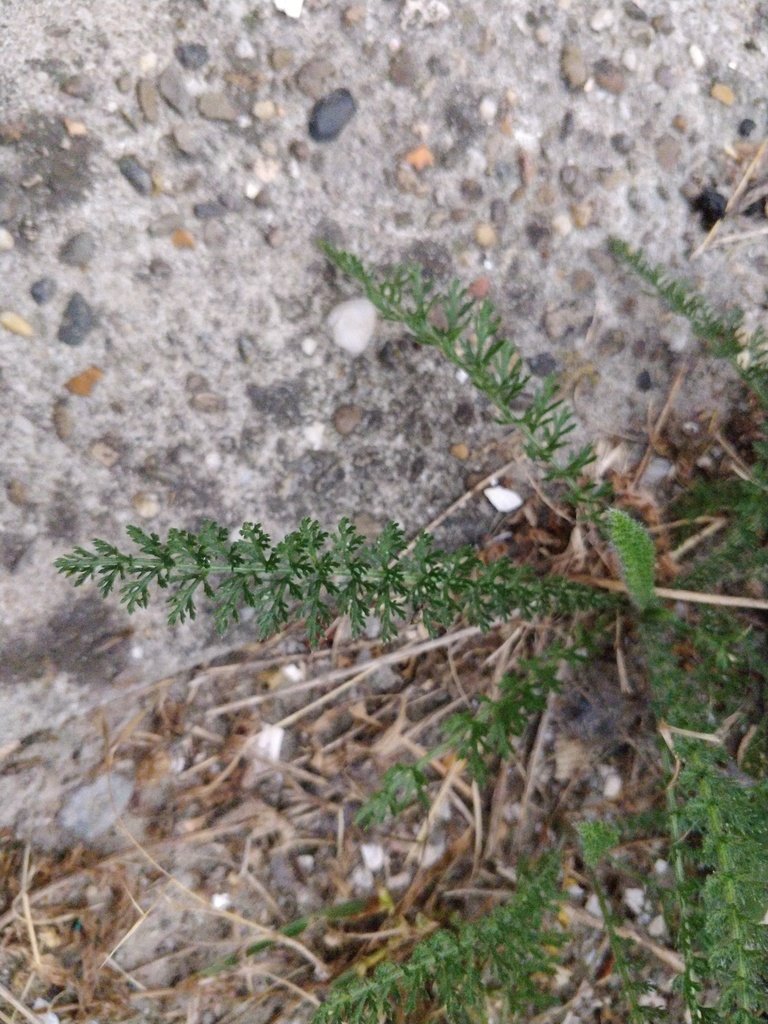
Spring arrives differently depending on where you garden in Alaska, but yarrow emerges reliably once soil temperatures warm. In Southcentral and Southeast, you’ll see those finely cut leaves pushing through by late April or early May. Interior gardens see emergence a few weeks later. The foliage develops quickly, forming attractive rosettes that fill out into substantial clumps by mid-June.
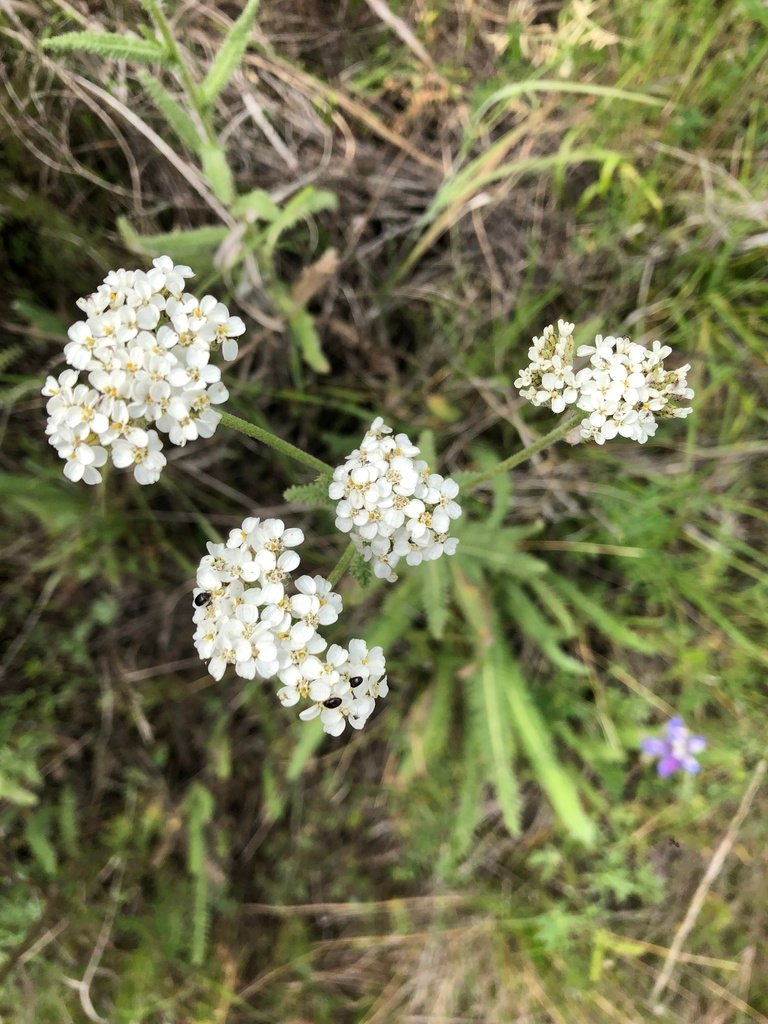
Summer is when yarrow truly shines in Alaska. Those long daylight hours—the same ones that grow cabbages to ridiculous sizes—push yarrow into vigorous growth and abundant flowering. Blooms typically appear in late June through July, lasting well into August. The flat-topped flower clusters, usually white but sometimes in shades of pink or yellow depending on your variety, create landing platforms for countless pollinators. On warm July evenings when the sun barely dips toward the horizon, watching bees work your yarrow patch while you have your midnight coffee is one of Alaska gardening’s genuine pleasures.
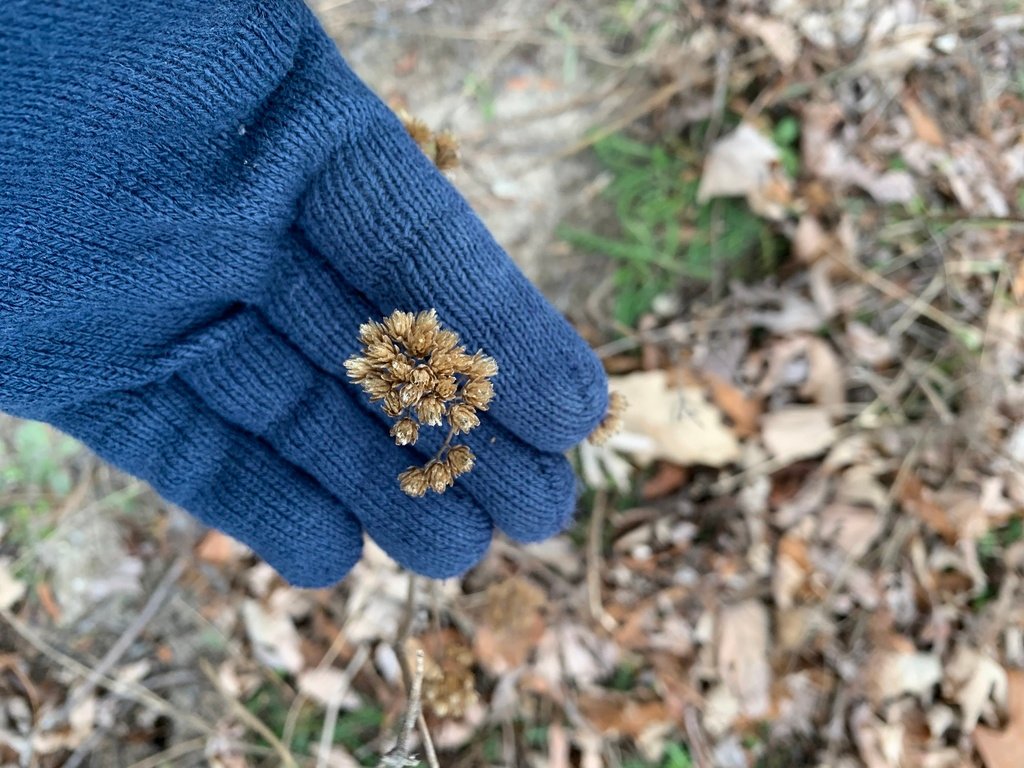
The extended bloom period matters tremendously for our compressed pollinator season. While gardeners in warmer climates might take a six-month flowering season for granted, we’re packing all that biological activity into a fraction of that time. Yarrow blooms right when native bees are at peak activity and butterflies are reproducing. Deadheading spent flowers encourages rebloom, potentially extending the nectar flow into early September in maritime areas, though I often leave some seed heads for finches and other seed-eating birds.
Fall sees yarrow’s foliage gradually fade. Unlike some perennials that look shabby by August, yarrow maintains decent appearance well into September. As temperatures drop and frost arrives—September in the Interior, October in Southcentral, and varying widely in Southeast—the foliage browns and collapses. I typically cut it back to about two inches above ground level after a hard frost, though you can leave it standing through winter if you prefer the structure or want to provide wildlife habitat.
Winter is when yarrow’s Zone 1 hardiness really shows its value. Buried under snow or exposed to brutal cold and desiccating winds, it waits patiently. No special protection needed, no worrying about mulching depth, no anxious spring checks to see what survived. It simply endures, storing energy in those tough roots, ready to emerge when conditions allow.
Care & Keeping
Watering yarrow in Alaska requires understanding your specific location’s rainfall patterns. Coastal Southeast gardens often receive sixty to two hundred inches of annual precipitation—yarrow handles this moisture remarkably well as long as drainage is adequate. In the drier Interior, where Fairbanks averages just eleven inches annually, established yarrow still performs without supplemental water except during unusually dry spells. That said, newly planted yarrow appreciates consistent moisture during its first season until roots establish.
I water new plantings deeply once or twice weekly during dry periods, aiming to moisten the soil to a depth of six inches. Once established after that critical first season, yarrow becomes genuinely drought-tolerant by Alaska standards. During those occasional stretches of hot, dry weather we experience in Interior summers, mature clumps might wilt slightly during the afternoon heat but typically recover overnight. If they don’t perk up by morning, that’s your signal to water deeply.
Fertilizing is where restraint serves you well. Alaska’s short but intense growing season combined with extended daylight already pushes plant growth beyond what’s typical elsewhere. Adding significant fertilizer to yarrow often results in floppy stems that can’t support those flower heads. If you feel compelled to feed your yarrow, a light application of balanced organic fertilizer in early spring—maybe a handful of fish meal or kelp meal scattered around the clump—provides adequate nutrition without promoting excessive soft growth.
Mulching serves different purposes in different parts of Alaska. In Southeast’s maritime climate, a thin layer of compost or leaf mold helps maintain soil moisture and suppress weeds without trapping excessive moisture against crowns. In the Interior, where winter’s brutal and summer’s dry, a two to three-inch layer of wood chips or shredded bark helps moderate soil temperature swings and reduces water loss during those hot July stretches. Keep mulch pulled back an inch or two from the plant crowns to prevent rot during spring’s wet period.
Division isn’t optional with yarrow—it’s mandatory maintenance, especially in Alaska where our extended summer daylight promotes exceptionally vigorous growth. Plan to divide established clumps every one to two years in spring, just as new growth emerges. Dig up the entire clump, use a sharp spade or knife to cut it into sections (each with roots and growing points), and replant divisions promptly. This aggressive division schedule prevents yarrow from overwhelming neighboring plants that may be struggling with our short growing season. It also keeps the center of clumps from dying out and maintains flowering vigor.
What to Watch For
Alaska’s cool temperatures and relatively dry summers in many regions mean we dodge many of the fungal disease issues that plague yarrow elsewhere. Powdery mildew, which can be problematic in humid climates, rarely troubles Alaska gardens except occasionally in especially wet coastal areas. If you do see that telltale white coating on leaves, improve air circulation by dividing overcrowded clumps and ensure plants aren’t shaded excessively.
Root rot becomes a concern only in poorly drained sites, particularly during spring’s extended wet period when snowmelt saturates the soil. If your yarrow’s foliage yellows and wilts despite adequate moisture, and the crown feels mushy, poor drainage is likely the culprit. There’s no cure—you’ll need to move surviving divisions to better-drained locations. This is why site selection matters so much initially.
The biggest pest challenge with yarrow in Alaska isn’t insects—it’s moose. These massive browsers find yarrow’s lush growth irresistible, particularly in areas where natural browse is limited or when gardens offer more tender vegetation than the surrounding landscape. A moose can demolish an entire yarrow planting in a single evening’s browse. If you’re gardening in moose country—and much of Alaska qualifies—physical barriers are your only reliable solution. A seven-foot fence keeps them out, though that’s impractical for many home gardens. Electric fencing can work if properly maintained. Some gardeners report success with motion-activated sprinklers, though moose quickly learn to ignore them once they realize there’s no real threat.
Aphids occasionally colonize yarrow’s tender new growth and flower stems, though they rarely cause serious damage. A strong spray from the hose usually dislodges them adequately. In most Alaska gardens, beneficial insects like lady beetles and lacewings keep aphid populations in check without any intervention needed.
One challenge specific to Alaska is yarrow’s aggressive spreading nature meeting our very short growing season for companion plants. While lupines and other vigorous perennials can compete, more delicate species may struggle when yarrow’s rapid growth, fueled by endless summer daylight, encroaches on their space. This is another reason why frequent division is critical—it’s not just about plant health but about being a good garden neighbor to less competitive species.
Late-season frost, which can occur as early as August in some Interior locations, occasionally damages yarrow’s flowers but rarely harms the plant’s overall health. The foliage withstands light frost easily, and even if flower stems are blackened by a hard freeze, the plant survives to bloom again next season.
If You Want to Harvest
Yarrow’s medicinal and aromatic properties have sustained people through countless Alaska winters, and harvesting your own continues this practical tradition. The leaves and flowers both offer value, though for different purposes. For medicinal use—understanding that you should consult healthcare providers and reliable herbalism resources before using any plant medicinally—harvest leaves and flowers at peak bloom when the essential oil content is highest. This typically occurs in July through early August in most Alaska gardens.
Cut stems in the morning after dew has dried but before the day’s heat. Take no more than one-third of the plant at any harvest to maintain its vigor and ensure continued pollinator support through the season. Use clean, sharp pruners or scissors, cutting stems about four to six inches above the base. This height encourages potential rebloom and keeps the plant looking tidy.
Drying is straightforward in Alaska’s low-humidity climate. Bundle four to six stems together with twine or rubber bands, then hang them upside down in a dark, well-ventilated space. Garden sheds, covered porches, or even a spare closet work well. The flowers and leaves should dry crispy-brittle within one to two weeks. Once fully dry, strip the flowers and leaves from stems and store them in airtight glass jars away from light. Properly dried and stored yarrow maintains its properties for up to a year.
For fresh use in flower arrangements, yarrow’s flat-topped blooms last remarkably well in the vase. Cut stems when flowers are fully open but before they begin to fade. Strip foliage from the portion of stem that will be underwater, and change vase water every few days. Fresh yarrow easily lasts a week or more indoors—a welcome reminder of the garden during those long winter months.
Some gardeners dry yarrow specifically for crafts or dried arrangements. For these purposes, harvest just as flowers open fully, then hang or dry flat as described above. The blooms hold their color reasonably well, though whites may yellow slightly with age. The architectural quality of dried yarrow adds interesting texture to winter arrangements and wreaths.
Good Companions for Alaska Gardens
Building a pollinator-supporting garden around yarrow means choosing companions that bloom at different times, extending that critical nectar flow throughout Alaska’s compressed growing season. Lupines make excellent early-season partners, blooming in June when pollinators first emerge in force, then passing the baton to yarrow as their flowers fade. Both plants handle Alaska’s conditions with similar vigor, and lupine’s nitrogen-fixing capability can actually benefit the surrounding soil community.
Siberian iris pairs beautifully with yarrow in Alaska gardens, offering striking vertical form against yarrow’s flat flower clusters. The iris blooms slightly earlier, typically late May through June, while sharing yarrow’s appreciation for full sun and reasonable drainage. In moister coastal gardens, this combination works particularly well, as both tolerate our extended wet springs without rotting.
For later-season interest, monkshood extends the bloom period into August and September when yarrow’s flowers are fading. Monkshood’s tall spikes of blue or purple flowers create dramatic contrast with yarrow’s horizontal form, and both plants handle Alaska’s cool temperatures and occasional frost with equal grace. Just remember that monkshood requires richer soil and more consistent moisture than yarrow, so plant them where you can meet these different needs.
Native fireweed creates a naturalistic combination that echoes Alaska’s wild landscapes. Both species colonize disturbed sites readily, both support critical pollinators, and both thrive in average to lean soil. The pink-purple fireweed spires rising above white yarrow flowers creates the kind of scene you’ll spot along Alaska roadsides in midsummer—bringing that wild beauty into intentional garden design.
Hardy geraniums serve as excellent groundcover companions around yarrow, blooming earlier and maintaining attractive foliage after flowers fade. They help suppress weeds without competing aggressively for resources, and their lower profile doesn’t interfere with yarrow’s structure. Choose varieties proven hardy to at least Zone 3 to ensure reliable performance through Interior winters.
When designing these combinations, remember that yarrow’s aggressive spreading habit means it needs space or frequent division to prevent it from overwhelming companions. Place slower-growing partners where they won’t be engulfed as yarrow expands, or commit to dividing yarrow annually to maintain boundaries. This management is especially important in Alaska where our extended summer daylight accelerates growth beyond what’s typical in southern regions.
Plant Profile at a Glance
| Scientific name | Achillea millefolium |
|---|---|
| Plant type | Asteraceae |
| Mature size | Herbaceous Perennial tall, Perennial wide |
| Hardiness zones | Adaptable |
| Light | Fast |
| Soil | 1-3 ft, pH 1-2 ft |
| Water | 12-18 inches |
| Bloom time | AK, MT, ND, SD, MN, WI, MI, NY, VT, NH, ME, WA, OR, ID, WY, CO, NM, UT, NV, CA |
| Flower color | Herbaceous |
| Edibility | High |
| Toxicity | Low |
| Native to Alaska | No |
A Few Last Thoughts
After years of gardening in Alaska, I’ve come to see common yarrow as more than just another tough perennial. It’s a bridge between the utilitarian and the beautiful, between our need to garden successfully in challenging conditions and our responsibility to support the native pollinators struggling through habitat loss and climate change. When you establish yarrow in your Alaska garden, you’re not just adding a pretty flower—you’re creating a genuine resource for creatures facing an impossibly short foraging season.
The plant’s ability to thrive across Alaska’s diverse regions, from coastal rainforests to Interior subarctic zones, makes it one of the most reliable perennials you can grow. That reliability matters tremendously when our growing season is so compressed and every plant needs to earn its place. Yarrow earns its keep many times over through extended bloom, pollinator support, minimal care requirements, and that legendary cold hardiness that lets it laugh at fifty-below winters.
Yes, you’ll need to divide it regularly. Yes, you might battle moose for it in some locations. But these management challenges are small prices for a plant that performs so reliably, looks good from emergence through frost, and provides critical ecosystem services while asking almost nothing in return. The connection to traditional Alaska Native uses adds another layer of meaning—growing yarrow continues a practical relationship with this plant that stretches back countless generations.
Start with a few plants this spring, tuck them into sunny spots with reasonable drainage, and watch them establish. Within two seasons, you’ll have enough divisions to share with neighbors, expand your own plantings, or trade for other garden-worthy perennials. And on those magical July evenings when the sun barely sets and you’re watching bees work your yarrow flowers at eleven o’clock at night, you’ll understand exactly why this undemanding perennial belongs in every Alaska garden focused on beauty, practicality, and ecological responsibility.
One last practical tip: keep a garden journal noting when your yarrow blooms, when pollinators visit most actively, and when you divide clumps. These observations, accumulated over seasons, help you fine-tune your care and understand your specific microclimate. Alaska’s gardening conditions vary so dramatically even within small areas that your own observations become your most valuable resource. Yarrow is forgiving enough to tolerate learning curves while teaching you to garden well in this remarkable, challenging, beautiful place we call home. For region-specific advice, consult your local Alaska Cooperative Extension.