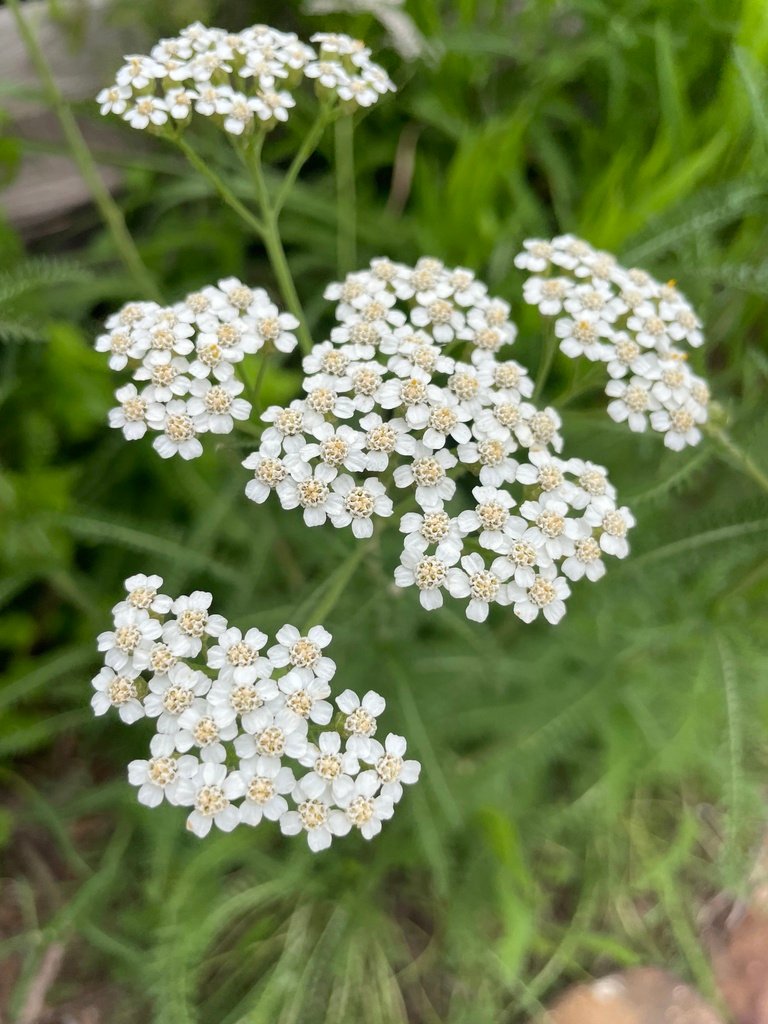
Why Common Yarrow Works in Alaska
If you’ve driven the Parks Highway or walked the gravel bars along just about any Alaskan river, you’ve seen yarrow—those clusters of white flower heads rising from feathery, fern-like foliage, thriving where many plants would throw up their hands in surrender. Common yarrow isn’t just another perennial for Alaska; it’s a champion of our challenging conditions, and one of the smartest plants you can invite into your northern garden. For more detailed botanical information, see the USDA plant profile for Achillea millefolium.
What makes yarrow particularly special here is how it capitalizes on our midnight sun. During those long summer days—eighteen, twenty, sometimes twenty-two hours of daylight—yarrow doesn’t sleep. It photosynthesizes almost continuously, achieving growth rates that would astound gardeners in the Lower 48. This hyper-accelerated growth doesn’t just mean bigger plants; it means an intense concentration of volatile oils in the foliage, making Alaska-grown yarrow exceptionally potent for medicinal use. Herbalists I’ve spoken with in Fairbanks and Homer consistently note that northern yarrow has a stronger scent and greater therapeutic properties than plants grown in shorter photoperiods.
The plant also tolerates—even prefers—the acidic soils that define much of Alaska’s landscape. Thanks to our extensive coniferous forests and widespread peat deposits, many of us are gardening in soils with pH levels that would make acid-loving blueberries comfortable. Yarrow doesn’t just survive this; it thrives. I’ve watched it colonize roadside gravel where the pH was testing around 5.0, establishing healthy stands while imported ornamentals struggled.
Alaska Native peoples recognized yarrow’s value long before any of us planted formal gardens. The Dena’ina called it *k’elch’eshi*, using it as a wound poultice and tea for respiratory ailments. That traditional knowledge speaks to the plant’s reliable presence across Alaska’s varied ecosystems, from coastal rainforests to Interior river valleys.
Getting Started
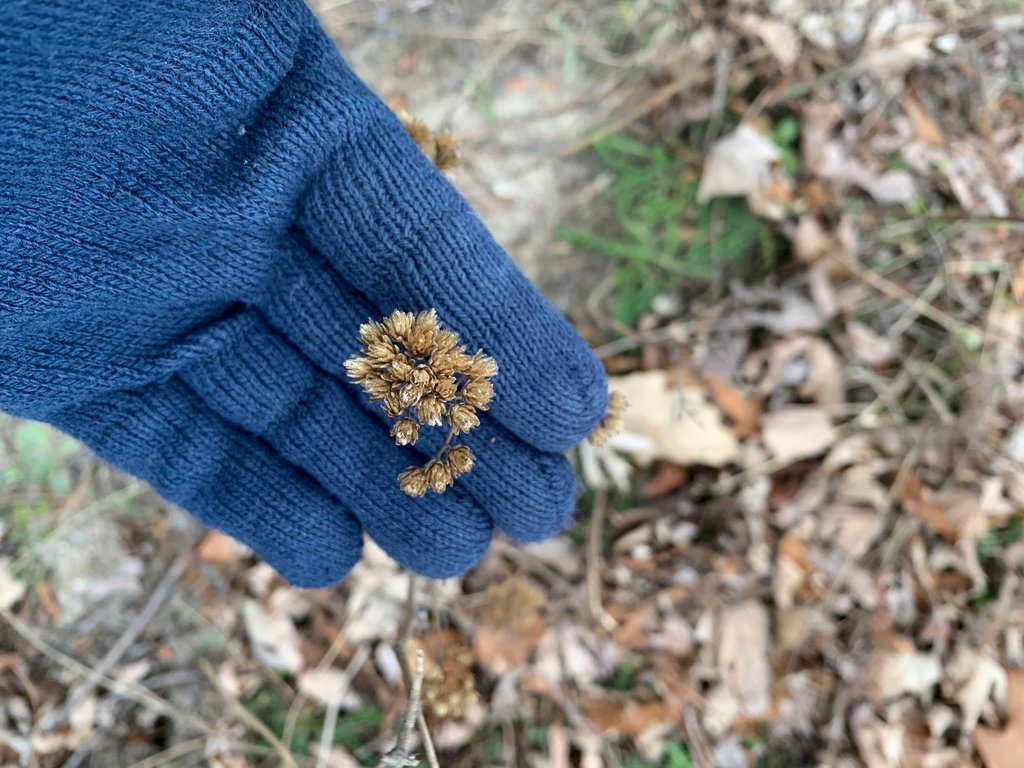
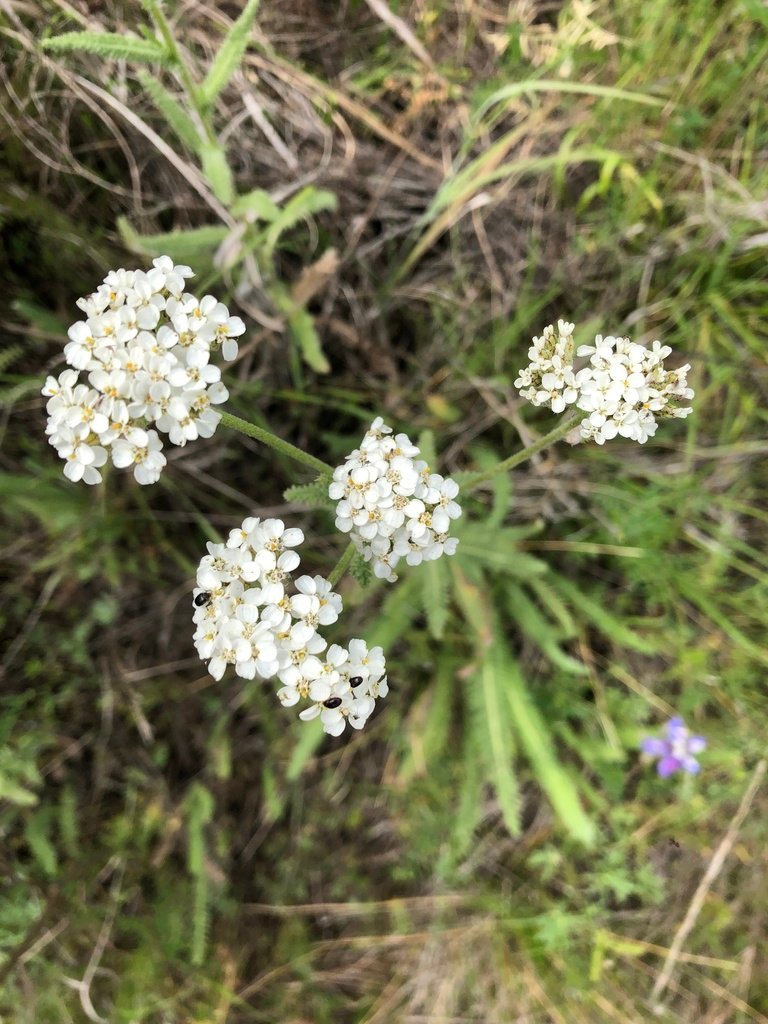
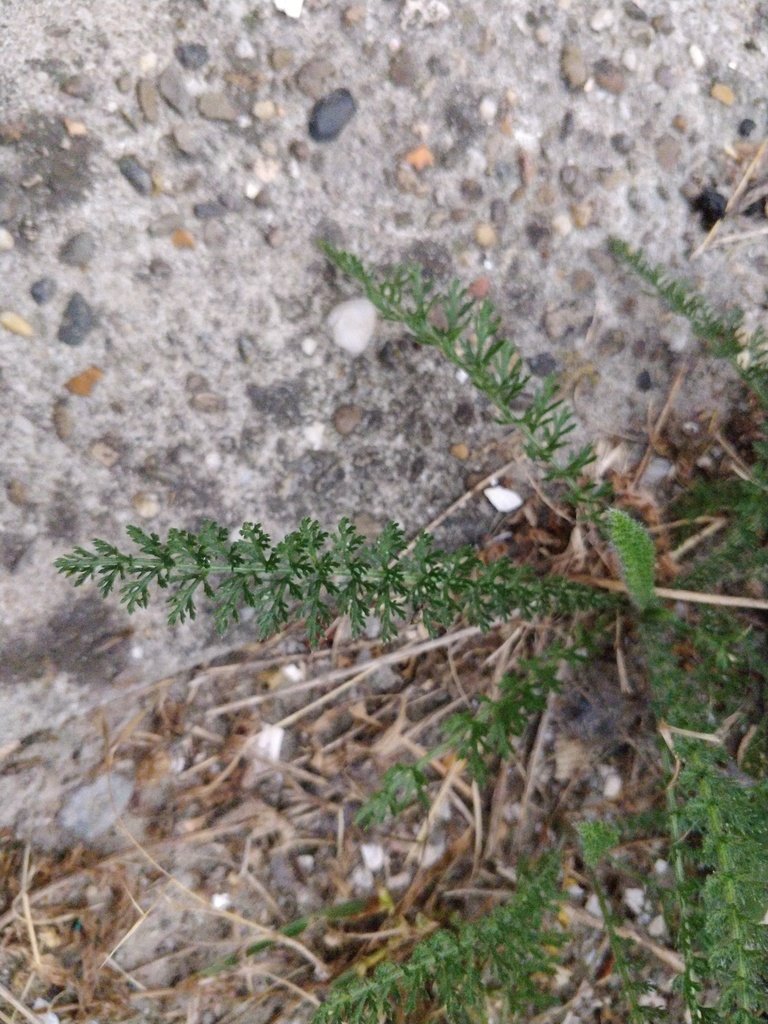
Timing is everything in Alaska, and with yarrow, I’ve learned that early June planting gives you the best establishment window—right when soil temperatures finally climb above fifty degrees and that precious growing season kicks into gear. If you’re working with transplants or divisions, you can push into early July in most regions, though Interior gardeners with their slightly longer warm season have a bit more flexibility.
Here’s something that took me a few failures to learn: direct seeding yarrow in Alaska is frustrating at best. The cool, damp conditions of our spring soils don’t favor germination, and by the time conditions improve, you’ve lost valuable growing weeks. Instead, either start with nursery transplants or—and this is my preferred method—beg divisions from an established patch. A friend’s yarrow clump divided in early June will establish roots faster than any seed you could plant, taking full advantage of that brief warm window we get. The Missouri Botanical Garden plant finder provides additional growing information for this species.
Site selection matters more than you might think. Despite yarrow’s tough reputation, it needs excellent drainage. In many Alaska locations—particularly in the Matanuska-Susitna Valley, coastal areas, and anywhere with clay-heavy soils—you’ll want to create artificial drainage. I build raised berms about six inches high, mixing in coarse sand or pea gravel. This prevents the spring waterlogging that rots yarrow crowns faster than any winter cold ever could.
Full sun is non-negotiable. In Southeast Alaska’s coastal regions where cloudy days outnumber sunny ones, this means scouting your property carefully for those rare south-facing, unshaded spots. I’ve seen yarrow attempt life in partial shade near Juneau, and it becomes leggy, flops over, and never quite flowers properly. The plant needs direct light to trigger that accelerated growth response our long days make possible.
Space plants twelve to eighteen inches apart. They’ll fill in by the second season, creating that classic cottage garden drift. Soil preparation can be minimal—yarrow isn’t fussy—but working in some compost helps initial establishment, even though mature plants will grow in gravel if given half a chance.
Through the Seasons
Alaska’s gardening year with yarrow begins not in spring, but in those last weeks of winter when you’re itching to get outside. Late April or early May, depending on your region, yarrow starts showing new growth—those first ferny shoots pushing through last year’s dried stems. This is when I cut back the previous year’s growth if I haven’t already done so in fall. In the Interior, this might happen in late April; in Southcentral, early May; in Southeast, you might see it as early as mid-April in mild years.
By June, when most of Alaska finally shakes off winter’s grip, yarrow explodes. This is that photoperiod magic kicking in. New growth appears almost daily, and the plants bulk up with shocking speed. In Fairbanks, where you’re getting twenty-two hours of daylight at summer solstice, I’ve measured yarrow adding three inches of height in a week. This is also when you’ll see the first pollinators discovering your plants—bumblebees especially, those queens who’ve just emerged and are desperate for nectar.
Flowering typically begins in late June and extends through August, though this varies dramatically by location. Southcentral gardens might see blooms starting in mid-June, while Interior and Far North gardens might not bloom until mid-July. What’s remarkable is how long the flowers persist—our cool nights mean blooms don’t burn out the way they might in hotter climates. A single yarrow flower head can remain attractive for three weeks or more.
Fall arrives abruptly in Alaska, and yarrow responds by setting seed and beginning dormancy preparations. By September, the foliage often takes on bronze or reddish tints. You can cut plants back now or leave them standing—those dried flower heads provide winter interest and food for seed-eating birds. I’ve watched redpolls working over yarrow seed heads in October snowfall.
Winter is when yarrow earns its Alaska credentials. The plant enters complete dormancy, and even in Zone 1 conditions with temperatures dropping to forty or fifty below, established yarrow shrugs it off. No winter protection needed, no worrying, no fussing. It’s one of the most reliably hardy perennials you can grow here.
Care & Keeping
Watering yarrow in Alaska requires unlearning everything you might read in general gardening guides. Most of us receive adequate rainfall—sometimes excessive rainfall, particularly in coastal regions—and yarrow’s tolerance for drought means overwatering is a far greater risk than underwatering. In Southcentral and Southeast Alaska, I don’t irrigate established yarrow at all. Natural precipitation handles everything.
Interior Alaska presents different conditions. During dry summers—and we do get them, despite the common perception of Alaska as perpetually wet—yarrow appreciates occasional deep watering if we go three weeks without rain. But even then, I’m talking once every two or three weeks, not the weekly soakings many perennials demand. The plant’s deep taproot accesses moisture other plants can’t reach.
Feeding is similarly minimal. A light application of compost in spring satisfies yarrow completely. I’ve experimented with fertilization, and honestly, it produces taller plants that flop more readily and don’t seem any healthier. Yarrow evolved for lean soils, and our acidic Alaska ground suits it perfectly without amendment. The one exception: if you’re growing yarrow for medicinal harvest and want maximum oil production, a single application of fish emulsion in early June seems to boost aromatic compound concentration, though this is based on anecdotal observation rather than rigorous testing.
Mulching helps but isn’t critical. A two-inch layer of wood chips suppresses weeds and moderates soil temperature fluctuations. In raised beds or berms where drainage is already excellent, mulch also helps retain what moisture exists without creating waterlogged conditions. Avoid heavy mulching right against the crown—leave an inch or two of space to prevent rot.
Pruning needs are straightforward. Deadheading spent flowers encourages continued blooming, though I confess I rarely bother—the seed heads are attractive, and pollinators appreciate every available flower. In fall or early spring, cut the entire plant back to about two inches. This cleanup prevents disease carryover and makes room for vigorous new growth.
Division every three to four years keeps plants vigorous and prevents that dead center that develops in old clumps. Early June is ideal timing. Dig the entire clump, split it into fist-sized sections with a sharp spade, and replant. It’s nearly impossible to kill yarrow through division, and you’ll have extras to share or expand your planting.
What to Watch For
Yarrow’s toughness doesn’t mean it’s problem-free in Alaska, though issues tend to be environmental rather than pest-related. The single biggest threat is crown rot from waterlogged spring soils. If you’ve planted in flat ground with heavy clay—common in parts of the Matanuska Valley and areas around Palmer—you might lose plants to rot before they ever truly establish. This is why I’m emphatic about drainage. Symptoms include blackened crown tissue and wilting foliage even in moist soil. Prevention through proper siting beats any attempted cure.
In Southeast Alaska’s maritime climate, excessive rainfall and limited sunshine create different challenges. Yarrow grows leggy, reaching for light, and the stems can’t support the weight of flower heads. Plants flop dramatically, looking disheveled and attracting more moisture against foliage, which can promote fungal issues. Staking helps aesthetically, but honestly, if your site has these conditions, yarrow might not be your best choice. Save the sunny spots for plants that truly need them.
Powdery mildew occasionally appears in late summer, particularly following wet periods. It’s unsightly—that white coating on foliage—but rarely fatal. Good air circulation helps prevent it, which means avoiding overcrowding and ensuring plants aren’t jammed against buildings or fences. If mildew appears, you can ignore it (the plant will survive fine), cut affected stems back, or apply organic fungicides, though I’ve never found the latter necessary in my gardens.
Pest pressure is remarkably light. The aromatic oils that make yarrow medicinally valuable also deter most insects. I’ve occasionally seen aphids on new growth in June, but they disappear quickly, picked off by ladybugs and other beneficials. Moose generally ignore yarrow, though I’ve heard reports of them browsing it in severe winters when preferred forage is unavailable. Compared to hostas or delphiniums, yarrow might as well be invisible to our local megafauna.
Weather extremes pose minimal threat. Even Interior Alaska’s wild temperature swings—fifty degrees in a day isn’t uncommon during spring and fall—don’t faze established plants. Late spring freezes that devastate other perennials leave yarrow unbothered. The only weather-related concern is if we get one of those rare, rain-soaked summers that turn gardens into swamps; again, it circles back to drainage.
If You Want to Harvest
Harvesting yarrow for medicinal or craft use in Alaska means timing your collection to capture those concentrated volatile oils our long photoperiod produces. The sweet spot is mid-bloom, typically late June through July in most regions, when flower heads are fully open but haven’t begun setting seed. This is when oil concentration peaks.
Cut stems in mid-morning after dew has dried but before the day’s heat (such as it is in Alaska) causes oils to volatilize. Use clean, sharp scissors or pruners, taking stems about halfway down the plant. You can harvest up to one-third of the plant without stressing it significantly. I’ve found that harvesting actually encourages bushier regrowth and sometimes a modest second flush of flowers.
For drying, bundle stems loosely—maybe ten to twelve stems per bundle—and hang them upside down in a dark, well-ventilated space. A garage loft or garden shed works perfectly. Alaska’s relatively low summer humidity favors quick, complete drying without mold issues. Stems are ready when they snap cleanly rather than bending, usually seven to ten days.
Strip dried flowers and leaves from stems, storing them in glass jars away from light. Properly dried Alaska yarrow retains potency for a year or more. The scent should be strong and distinctive—if it’s weak or musty, the drying process failed or the harvest timing was off.
Some herbalists tincture fresh yarrow immediately after harvest, claiming the fresh plant preparation is more potent for certain applications. If you’re interested in this, research proper ratios and methods—it’s beyond simple gardening, but Alaska’s tradition of wild plant use means you’ll find knowledgeable practitioners in most communities willing to share wisdom.
Good Companions for Alaska Gardens
Yarrow plays well with other tough perennials that appreciate similar conditions—full sun, excellent drainage, minimal fussing. One of my favorite combinations pairs yarrow with lupine, creating that classic cottage garden look while both plants thrive in Alaska’s acidic soils. The vertical spikes of lupine flowers contrast beautifully with yarrow’s flat-topped flower clusters, and they bloom in sequence, extending the display from June well into August.
For later season interest, Shasta daisies make excellent partners. Both plants handle our conditions well, and the simple white daisies echoing yarrow’s white flowers creates a cohesive, peaceful design. The daisies typically bloom slightly later, maintaining the display after yarrow’s first flush fades.
If you’re designing for pollinators—and in Alaska’s short season, every pollinator plant counts—combine yarrow with bee balm. The bee balm’s tubular flowers attract hummingbirds while yarrow brings in butterflies and native bees. Together, they create a feeding station that supports diverse pollinator species through our compressed growing season. Both plants appreciate similar moisture levels once established, which simplifies care.
For foliage contrast, hostas planted in adjacent shadier spots create a nice transition. While they won’t share the same bed—hostas need shade and consistent moisture yarrow doesn’t require—using yarrow in sunny areas and hostas in shadier zones lets you maximize planting opportunities across varied garden microclimates.
Daylilies share yarrow’s toughness and adaptability to Alaska conditions. Together, they form a nearly indestructible perennial border that requires minimal intervention. The bold daylily foliage and large flowers provide scale variation against yarrow’s finer texture, and both plants establish so reliably that they’re perfect for gardeners still learning Alaska’s unique growing rhythms.
A Few Last Thoughts
After years of gardening in Alaska, I’ve come to see yarrow as something of a litmus test for understanding our climate. When you stop fighting Alaska’s conditions—the acidic soil, the abbreviated season, the drainage challenges—and instead choose plants that evolved for similar circumstances, gardening becomes easier and more rewarding. Yarrow embodies this philosophy completely.
What I particularly appreciate is how yarrow bridges wild and cultivated spaces. The same plant thriving in my Southcentral garden grows along the Seward Highway’s gravel shoulders and across the glacial outwash plains of Denali. There’s something satisfying about that continuity, about inviting a piece of Alaska’s resilient ecology into intentional garden design. You’re not importing exotic specimens that barely tolerate our climate; you’re working with a plant that considers Alaska ideal.
The medicinal history adds another layer of meaning. When I harvest yarrow flowers in July, I’m participating in a practice that predates European contact, that Alaska Native peoples refined over countless generations. That’s not romanticizing—it’s acknowledging that effective plant use develops from long observation and experimentation, and that our gardens connect to deeper traditions.
If you’re new to Alaska gardening, start with yarrow. It forgives mistakes, tolerates neglect, and rewards minimal effort with reliable beauty. Plant it on a berm for drainage, give it full sun, and then step back. Let those endless June days work their magic, producing growth you can almost watch happening. By August, you’ll have flowers attracting every pollinator in the neighborhood and foliage you can harvest for winter tea. And next spring, that yarrow will return without fail, ready to thrive through another brief, intense Alaska summer. That reliability, in a climate that throws surprises constantly, is worth more than any flashy but temperamental ornamental could offer. For region-specific advice, consult your local Alaska Cooperative Extension.