Why Common Yarrow Works in Alabama
Common yarrow earns its place in Alabama gardens not for the reasons you might expect. While gardeners in drier climates praise its drought tolerance, here in our humid subtropical world, yarrow proves its worth as what I think of as a “humid warrior”—a plant that can handle our relentless summer moisture when most Mediterranean herbs would simply rot away. That’s not an automatic pass though. Yarrow succeeds here when you understand it needs placement that seems almost contradictory: full baking sun even though we get regular rainfall, and soil that drains faster than our native clay ever could on its own. For more detailed botanical information, see the USDA plant profile for Achillea millefolium.
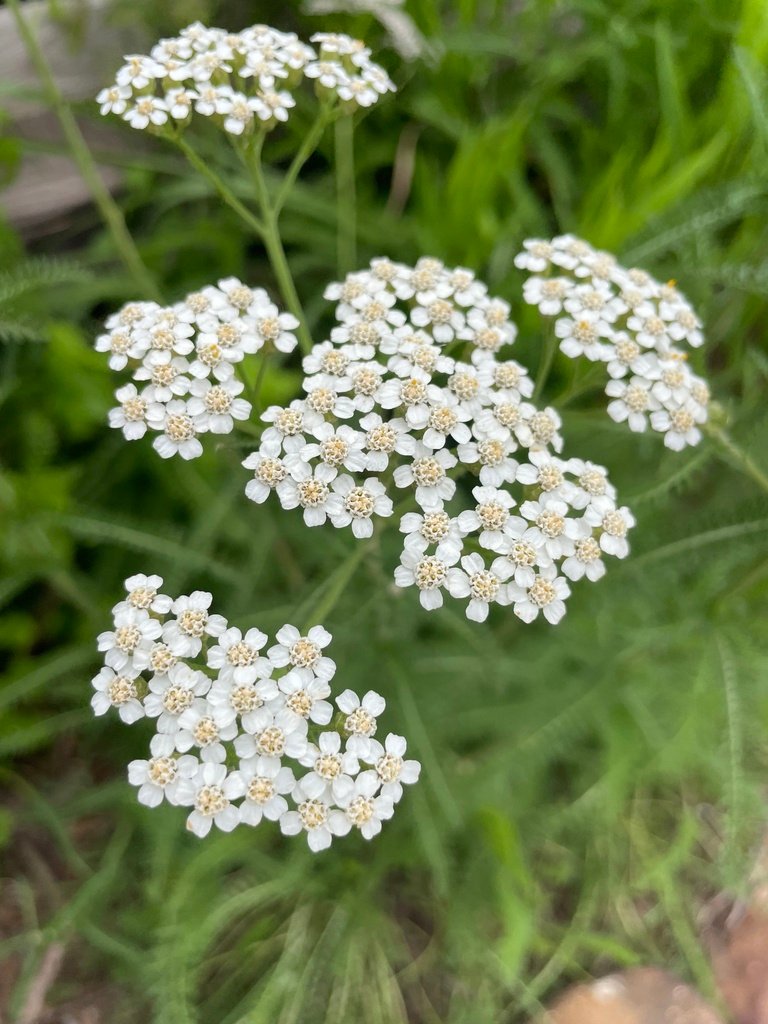
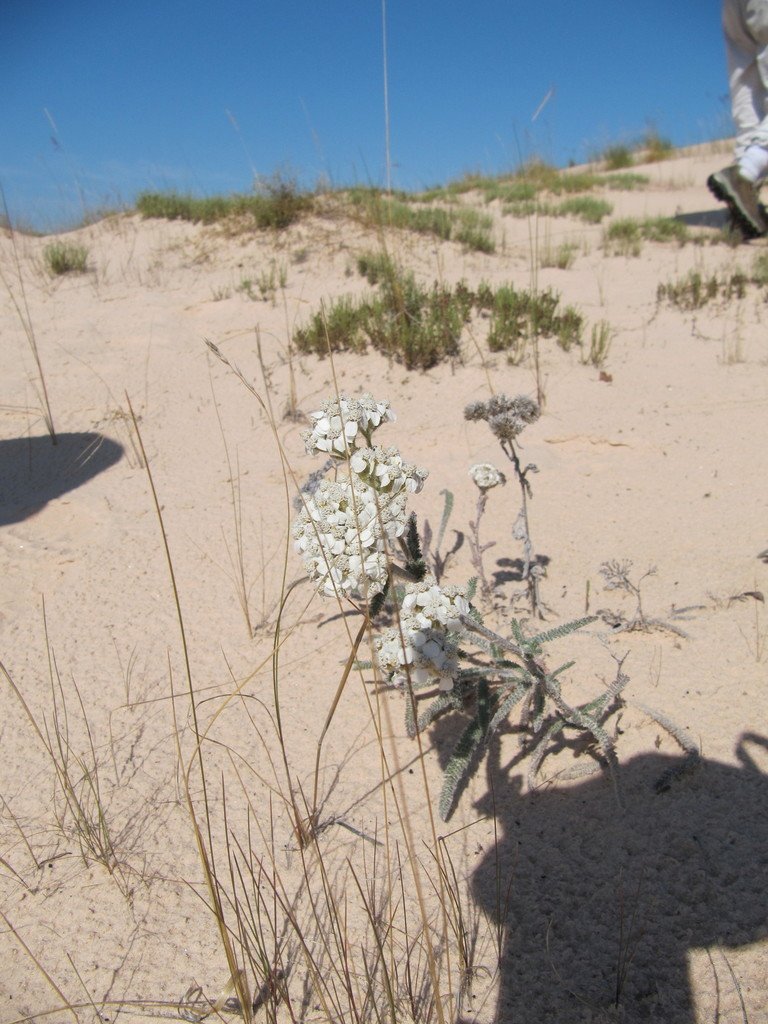
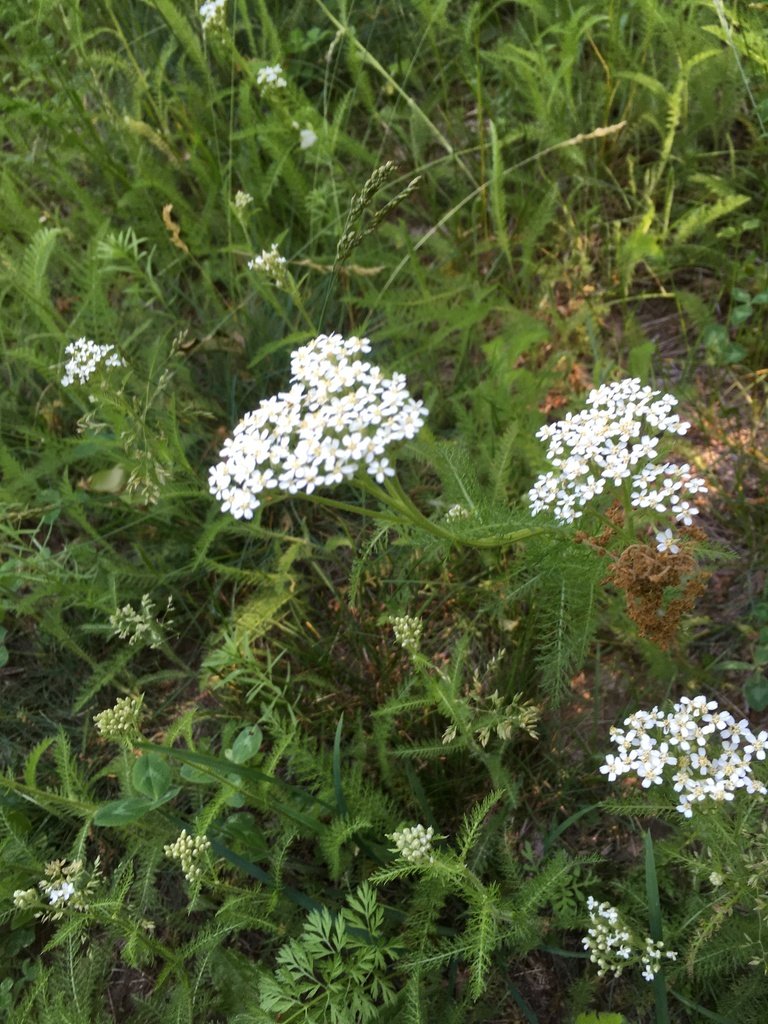
What makes yarrow particularly valuable across Alabama is its role as a pollinator magnet during the long stretch from late spring through fall. Those flat-topped flower clusters—typically white but sometimes fading to cream—act like landing pads for countless beneficial insects. I’ve watched everything from tiny native bees to migrating Monarchs work over a yarrow patch in my own garden. The foliage stays attractive year-round in zones 8 and 9, giving structure to beds even in our mild winters when many perennials have gone dormant.
Yarrow has naturalized along Alabama roadsides and in abandoned fields, which tells you it can handle our conditions once established, but that naturalization also means you need to deadhead spent flowers if you don’t want volunteer seedlings popping up everywhere. The feathery, fern-like leaves add a fine texture that contrasts beautifully with the broader foliage of coneflowers or black-eyed Susans—plants that share yarrow’s toughness and sun requirements.
Getting Started
The best time to plant yarrow in Alabama is early fall, specifically late September through October. This gives roots time to establish during our mild autumn and winter before facing the test of summer humidity. Spring planting works too—aim for late March after the last frost risk passes—but you’ll need to be more attentive with watering that first summer as the plant settles in.
Here’s the non-negotiable part: you must address our clay soil before planting yarrow. I’ve seen too many gardeners plop yarrow into unamended Alabama clay only to watch it struggle and eventually disappear after a wet winter. The plant needs drainage that clay simply cannot provide. For each planting hole, I dig down about a foot and mix in a 50-50 blend of coarse sand or fine gravel with the existing soil. Some folks use expanded shale, which works wonderfully and is available at most garden centers in Birmingham and Mobile. If you’re planting a whole bed of yarrow, it’s worth raising the bed by 4 to 6 inches and working that gritty material throughout. The Missouri Botanical Garden plant finder provides additional growing information for this species.
Space plants 18 inches apart, even though that looks sparse at first. In our humidity, air circulation becomes a disease-prevention strategy, not just a spacing suggestion. Yarrow grows quickly here—our long growing season sees to that—and those gaps will fill in by the second season. Each plant will spread 12 to 18 inches wide, forming a mat of ferny foliage that stays relatively low until flower stalks shoot up in late spring.
One trick I learned from an old-timer in Huntsville: if your soil is particularly heavy, create a slight mound for each plant rather than setting it level. That extra inch or two of elevation helps water drain away from the crown during our winter rains, when root rot poses the biggest threat.
Through the Seasons
Spring arrives early in Alabama, and yarrow responds with enthusiastic new growth. By late March in the southern parts of the state, you’ll see fresh green foliage emerging from the base. Up in the Tennessee Valley, it might wait until mid-April. This is when I give established plants a light trim, removing any winter-damaged foliage and shaping the mound to encourage bushy growth. The ferny leaves fill out rapidly as temperatures climb.
The first flower stalks appear in late May across most of Alabama, sometimes earlier in Mobile and the Gulf Coast counties. By June, you’ll have those characteristic flat-topped white blooms held 2 to 3 feet above the foliage. This is prime pollinator season, and on humid mornings you’ll find the flowers covered with visiting insects. The blooms continue through June and into early July, which brings us to an Alabama-specific technique that makes a real difference.
Around the Fourth of July—use that as your memory trigger—cut the entire plant back by half. Yes, you’re removing flowers that still look decent, but trust me on this. That hard cutback stimulates fresh growth that comes back denser and less prone to the floppy, sprawling habit that summer humidity encourages. Without this mid-season pruning, yarrow tends to open up in the center and lean outward, especially after one of our afternoon thunderstorms. With it, you get a second, more compact flush of flowers in September and October that lasts right up until frost in mid-November.
Summer means managing moisture and watching for fungal issues. Even though yarrow can handle heat beautifully—and we certainly provide plenty of that—the combination of heat and constant humidity stresses the plant differently than dry heat would. Good air circulation and that baking sun placement become critical during July and August.
Fall brings some of the best yarrow performance in Alabama gardens. Those September flowers come when many summer bloomers are exhausted, and migrating Monarchs appreciate the nectar source. The foliage stays attractive as temperatures cool, and in zone 8 and 9 gardens, yarrow remains semi-evergreen through our mild winters. I’ve had healthy green basal foliage visible through January in my central Alabama garden.
Winter is when poor drainage will kill yarrow in Alabama. If you’ve prepared the soil properly, the plant simply goes dormant or semi-dormant. If drainage is inadequate, winter rains will rot the crown. There’s no fixing that mid-winter—you can only prevent it with proper soil preparation at planting time.
Care & Keeping
Watering yarrow in Alabama requires a lighter hand than you might use with other perennials. Our average annual rainfall of 50-plus inches means established yarrow rarely needs supplemental water except during genuine drought. That first growing season, water deeply once a week if rainfall is scarce, but always let the soil dry out between waterings. Overwatering in our humidity invites every fungal problem yarrow can get.
Once established—usually by the second season—I water my yarrow only during extended dry spells of two weeks or more with no rain. Even then, a deep watering every 10 days is plenty. The plant’s drought tolerance becomes an asset during those stretches in September when rain sometimes disappears for a few weeks. Yarrow just keeps blooming while other perennials flag.
Feeding should be minimal. Alabama soils are generally decent in nutrients, especially if you’ve been adding compost over the years. I give yarrow a light application of balanced organic fertilizer in early spring, maybe a handful of 10-10-10 per plant, and that’s it for the year. Too much nitrogen produces lush, soft growth that flops readily in our humidity and becomes more susceptible to disease. Lean and mean works better for yarrow here.
Mulching requires a different approach than with most perennials. I keep mulch pulled back 3 to 4 inches from the plant’s crown to allow maximum air circulation. A light layer of pine straw or shredded hardwood mulch around the planting area helps suppress weeds and moderate soil temperature, but piling mulch against the base of yarrow in Alabama’s humidity is asking for crown rot. Think of yarrow as preferring a drier microclimate right at ground level, even if the surrounding garden is mulched normally.
That mid-season cutback I mentioned earlier is the most important maintenance task. Beyond that, deadheading spent flowers prevents excessive self-seeding and keeps the plant looking tidy. In late winter, around late February or early March, cut back any remaining stalks to about 2 inches above ground level to make way for fresh spring growth.
What to Watch For
Powdery mildew is the primary enemy of yarrow in Alabama gardens. That white coating on leaves typically appears during humid stretches in late summer, especially if plants are crowded or situated in spots with poor air movement. I’ve learned that prevention beats treatment every time: proper spacing, full sun, and avoiding overhead watering in the evening all help. If mildew appears despite your best efforts, cutting back affected growth and disposing of it (not composting) usually solves the problem. Spraying with organic fungicides works but feels like fighting an uphill battle—better to focus on siting and spacing from the start.
Rust is another fungal issue that shows up as orange-brown spots on leaves. It’s less common than powdery mildew but more disfiguring when it arrives. The same cultural practices that prevent mildew help with rust: good air circulation, dry foliage, and preventive removal of affected leaves. I’ve noticed rust tends to appear more in yarrow planted in afternoon shade or in beds with heavy mulch right up against the stems.
Stem flopping becomes a real issue in Alabama if you skip that mid-season cutback. The combination of lush growth from our rainfall and the weight of flowers during humid weather causes stems to splay outward, especially after thunderstorms. Some gardeners use grow-through supports or plant yarrow among ornamental grasses that provide natural support. Little bluestem works particularly well for this, as its upright habit keeps yarrow stems corralled without looking staked.
Japanese beetles occasionally feed on yarrow flowers in June and July, though they’re rarely a serious problem. Hand-picking works fine if numbers are small. More concerning are spider mites during hot, dry stretches—they can cause foliage to look stippled and pale. A strong spray of water usually controls light infestations.
Root rot from poor drainage kills more yarrow in Alabama than all other issues combined. If a plant suddenly wilts and fails to recover despite adequate moisture, pull it up and check the roots. Blackened, mushy roots mean rot has set in, usually from soil that stays too wet. There’s no saving that plant, but you can prevent losing others by improving drainage in the bed before replanting.
Good Companions for Alabama Gardens
Yarrow thrives in the company of other sun-loving, well-draining plants that can handle Alabama’s humidity. Purple coneflower makes an obvious but excellent pairing—both bloom at similar times, attract the same beneficial pollinators, and share cultural requirements. The purple-pink cones rising above yarrow’s white flat-tops create a classic cottage garden look that actually functions beautifully in our Southern heat.
Black-eyed Susans provide bold contrast to yarrow’s fine texture, and both plants laugh at summer heat. Plant yarrow in front of black-eyed Susans, letting the taller golden daisies serve as backdrop. Both rebloom reliably if deadheaded, giving you color from June through October with minimal fussing.
Ornamental grasses solve that flopping problem while adding movement and structure. Switchgrass varieties like ‘Shenandoah’ provide the upright framework that yarrow can lean into naturally, eliminating the need for stakes. The grass’s airy texture complements yarrow’s ferny foliage, and both plants turn attractive shades in fall—yarrow’s foliage taking on bronze tones while switchgrass glows red-purple.
Salvia species, particularly native types or heat-tolerant cultivars, share yarrow’s need for excellent drainage and full sun. The vertical flower spikes of salvia contrast nicely with yarrow’s horizontal bloom clusters. I particularly like pairing yarrow with ‘May Night’ salvia, timing that July cutback so both plants rebloom together in fall.
For a meadow or naturalistic planting, combine yarrow with native ironweed and Joe Pye weed. While those natives tolerate more moisture than yarrow, they all thrive in full sun and create a tiered effect—yarrow low, ironweed medium, Joe Pye towering above. This combination provides continuous nectar from midsummer through fall, supporting pollinators during critical periods of butterfly migration and late-season bee activity.
Plant Profile at a Glance
| Scientific name | Achillea millefolium |
|---|---|
| Plant type | Asteraceae |
| Mature size | Herbaceous Perennial tall, Perennial wide |
| Hardiness zones | Adaptable |
| Light | Fast |
| Soil | 1-3 ft, pH 1-2 ft |
| Water | 12-18 inches |
| Bloom time | AK, MT, ND, SD, MN, WI, MI, NY, VT, NH, ME, WA, OR, ID, WY, CO, NM, UT, NV, CA |
| Flower color | Herbaceous |
| Edibility | High |
| Toxicity | Low |
| Native to Alabama | No |
A Few Last Thoughts
Growing common yarrow successfully in Alabama comes down to understanding that this plant performs differently here than in its traditional dry-climate haunts. You’re not growing a drought-tolerant xeriscape plant—you’re growing a surprisingly adaptable perennial that can handle humidity if you give it the drainage and air circulation it needs to thrive. That means fighting your instincts to amend with compost alone or to water on a schedule like you would with other perennials.
The reward for getting these details right is a plant that blooms reliably, feeds countless beneficial insects, requires minimal care beyond that summer cutback, and provides ferny texture that few other sun perennials can match. I’ve come to appreciate yarrow not as a substitute for native plants but as a tough companion to them—something that fills gaps, extends bloom seasons, and holds its own through our challenging summers without constant intervention.
One final practical tip: if you’re starting yarrow from seed, sow it in fall rather than spring. Those seeds need a period of cold stratification to germinate well, and letting Alabama winter provide that naturally works better than trying to simulate it in your refrigerator. Scatter seeds over prepared soil in October, barely press them in, and keep the area moist until cold weather arrives. You’ll see seedlings emerge in March, and you can transplant them to permanent positions that fall.
Yarrow won’t be the showiest plant in your garden, but it might become one of the most dependable. In a climate where so many perennials struggle with our particular combination of heat, humidity, and unpredictable rainfall, finding plants that just quietly perform year after year feels like discovering garden gold. That’s what yarrow offers Alabama gardeners willing to meet it halfway with proper soil preparation and smart placement. For region-specific advice, consult your local Alabama Cooperative Extension.