Why Common Yarrow Works in Alabama
Let me be honest right from the start: common yarrow isn’t a native Alabama wildflower. It hails from the western United States and Eurasia. But here’s what I’ve learned after years of wrestling with our heavy clay soils and unpredictable rainfall patterns — sometimes the best plant for a job isn’t the one that evolved here, but the one that solves a problem nobody else can. For more detailed botanical information, see the USDA plant profile for Achillea millefolium.
In Alabama’s humid subtropical climate, yarrow has carved out an unlikely niche as a xeriscape champion. While most gardeners think of xeriscaping as a Western concept, those of us dealing with bone-dry August afternoons and water restrictions know better. Yarrow’s deep, fibrous root system — often reaching two feet down — does something remarkable in our compacted clay: it breaks up that brick-hard soil layer season after season, creating channels for water and air that benefit everything around it.
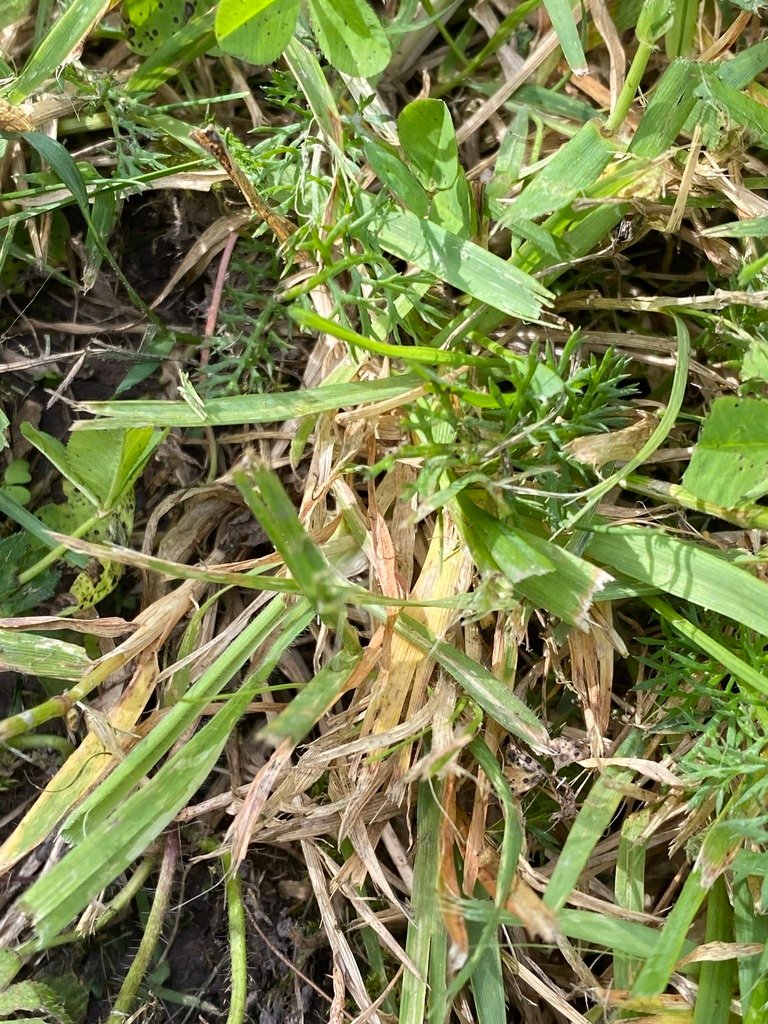
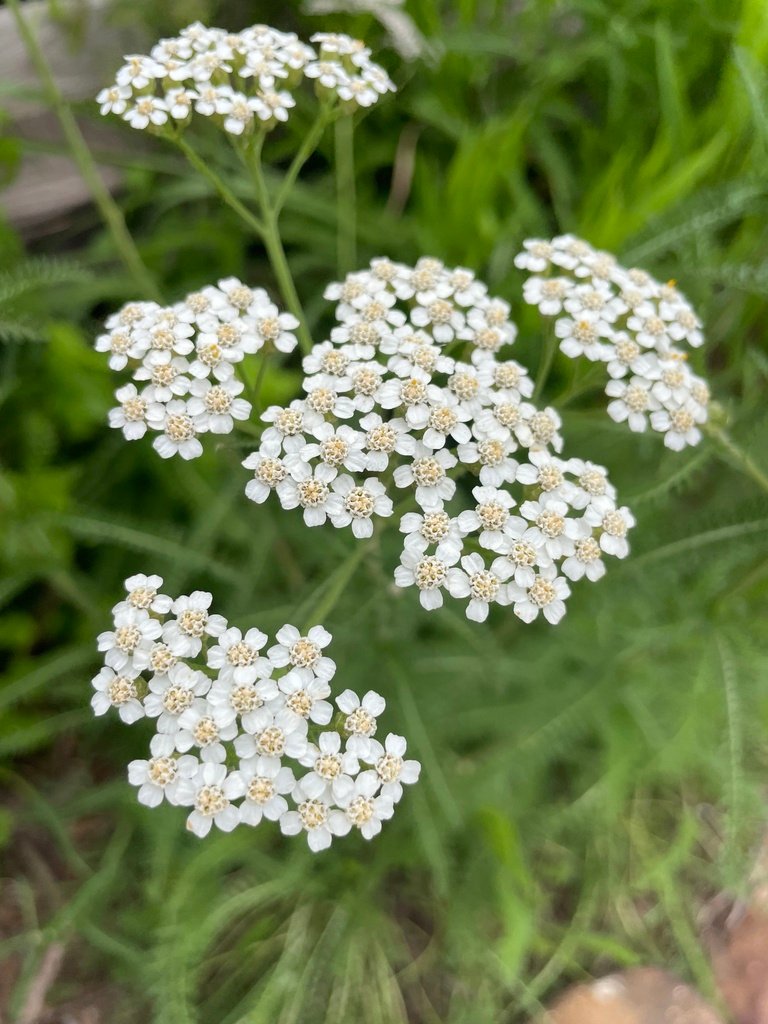
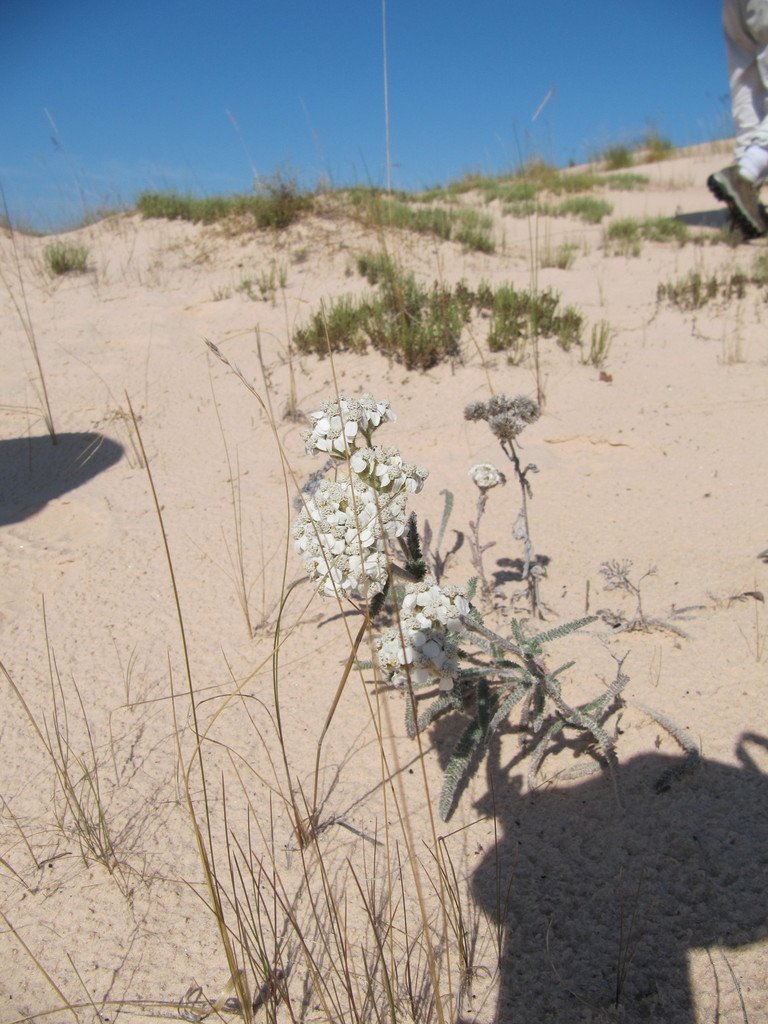
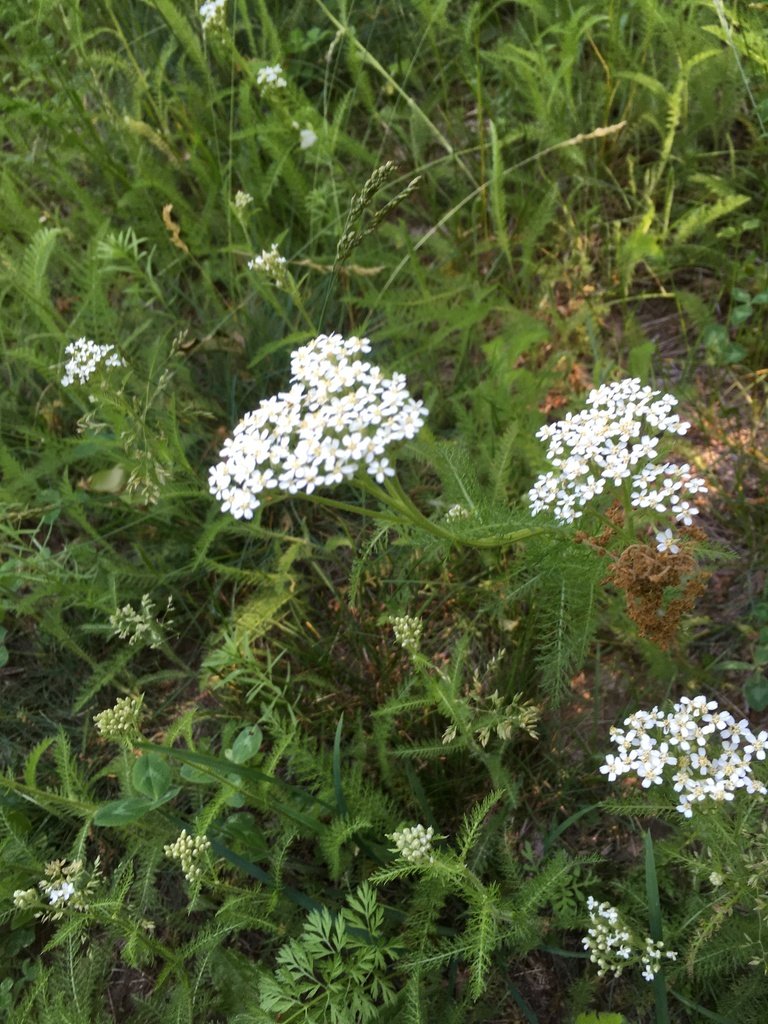
The plant’s feathery, fern-like foliage stays attractive from late winter through early summer, and those flat-topped flower clusters in white, pink, or yellow arrive just when many spring bloomers are fading. What really matters in our Zone 7-9 gardens is yarrow’s ability to laugh off drought once established. When your water bill is climbing and your lawn is crisping, yarrow keeps right on going.
There’s also a cultural thread worth mentioning. While yarrow didn’t grow wild in Alabama historically, the Creek and Cherokee people who lived across the Southeast knew it well and used it extensively in traditional medicine for poultices and teas. That herbal heritage gives this plant a connection to our region beyond just ornamental value.
Getting Started
Timing your yarrow planting in Alabama requires thinking about our weather extremes. I always recommend planting in fall — specifically late October through November — after our worst heat has broken but while soil temperatures stay warm enough for root establishment. You’ve got a solid four to five weeks before any real cold arrives, and that’s plenty for yarrow to settle in. Spring planting works too, but aim for early March before temperatures spike. A plant stuck in the ground during April’s first hot spell will sulk.
Site selection is absolutely critical, and this is where many Alabama gardeners go wrong. Full sun means full sun here — no compromises. I know we’re used to giving plants afternoon shade to protect them from our brutal summers, but yarrow is the exception. Plant it in partial shade and you’re inviting fungal disasters. The air circulation in full sun exposure helps combat the humidity that yarrow genuinely struggles with in our climate. The Missouri Botanical Garden plant finder provides additional growing information for this species.
Now, about that soil. If you’ve gardened in Alabama for more than a season, you know about our clay — that dense, sticky red or gray material that turns to concrete when dry and becomes a swamp when wet. Yarrow will not tolerate wet feet, especially during our rainy winters. Before planting, work in at least three inches of coarse sand or poultry grit mixed with an equal amount of compost. I’m talking serious amendment here, not just a token gesture. Dig down twelve inches if you can manage it. This improved drainage is the difference between a thriving plant and a rotted crown come February.
Space plants twelve to eighteen inches apart. They’ll fill in faster than you expect, and that spacing allows air movement between plants — your best defense against powdery mildew and stem rot, which are far more problematic here than in yarrow’s native habitats.
Here’s a tip I learned the hard way: create a slight mound when planting, with the crown sitting an inch above the surrounding soil grade. During our winter wet spells, especially in January and February, this elevation prevents water from pooling around the crown. It looks a bit odd at first, but erosion will level things out by summer, and your yarrow will thank you by actually surviving.
Through the Seasons
Alabama’s year with yarrow doesn’t quite follow the calendar you’d expect from gardening books written for other regions. Let’s walk through what actually happens.
Late winter, from February into early March, is when yarrow begins stirring. While the rest of the garden is still sleeping, you’ll notice fresh ferny growth emerging from the crown. This early start is wonderful, but it comes with risk. Our unpredictable late freezes — remember that April 2nd freeze in 2021? — can blacken that tender new growth. Don’t panic. The crown itself survives just fine, and new foliage will emerge within two weeks.
Spring is yarrow’s glory season in Alabama. From mid-April through May, those flat-topped flower clusters open in full force. Butterflies and native bees absolutely mob the blooms. The flowering period stretches into early June if conditions stay reasonable, but once our humidity climbs above ninety percent and nighttime temperatures refuse to drop below seventy-five, something shifts.
Summer is when Alabama yarrow shows its non-native origins. Unlike plants adapted to our Southeastern humidity, yarrow enters a semi-dormant state during July and August. The foliage doesn’t die completely, but it stops growing, may look tattered, and flowering ceases entirely. This is normal — not a sign you’ve failed. The plant is simply surviving, waiting for more favorable conditions. I’ve learned to cut plants back by half in late July, removing the worst of the tired foliage. This tidies up the appearance and positions the plant for a comeback.
Fall brings a second wind. Once September temperatures moderate and our first autumn rains arrive, yarrow rebounds with fresh foliage growth. You might even get a modest second flush of flowers in October, though nothing like the spring show. This fall regrowth is important — it’s building energy for next year’s performance.
Winter in Alabama is when yarrow’s real challenge emerges. The plant is cold-hardy enough for our mild winters, no question. But our winters are wet. Weeks of drizzle, saturated soils, poor drainage — this is what kills yarrow here, not cold. The foliage typically stays semi-evergreen through December, then dies back somewhat in January. By late February, the cycle begins again.
Care & Keeping
Watering yarrow in Alabama requires restraint, which goes against every instinct we develop gardening in this climate. During establishment — the first eight weeks after planting — water weekly if rain doesn’t cooperate, giving each plant about half a gallon. After that, stop. Seriously, just stop. Alabama receives forty-five to fifty-five inches of rainfall annually, concentrated heavily in winter and spring. Established yarrow needs none of your supplemental water during these seasons.
Summer is the only time you might need to intervene. If we hit a genuine drought — three weeks without rain and temperatures consistently in the mid-nineties — a deep watering every two weeks keeps plants from going completely dormant. But honestly, letting them go dormant isn’t terrible. They’ll recover in fall regardless.
Feeding yarrow is another exercise in restraint. These plants evolved on lean soils, and Alabama’s clay, for all its drainage problems, isn’t nutrient-poor. I scratch a half-inch layer of compost around plants each November, and that’s it. Over-fertilizing, particularly with nitrogen-rich products, creates lush, weak growth that’s even more susceptible to fungal diseases. If you’re used to feeding your roses and tomatoes heavily, yarrow requires the opposite approach.
Mulching deserves careful thought. In most of our gardens, a three-inch mulch layer is standard practice for moisture retention and weed suppression. Around yarrow, keep mulch to just one inch, and pull it back an inch or two from the crown itself. That exposed soil allows better air circulation and faster drainage — both critical for preventing crown rot during wet weather. I use pine straw rather than hardwood mulch around yarrow. It’s lighter, allows better air movement, and doesn’t hold moisture against the crown.
Pruning happens in two stages here. Deadhead spent flower stems throughout the blooming season to keep plants tidy and potentially extend flowering. Then comes that crucial late-July cutback I mentioned earlier — removing about half the plant’s height to clean up summer-stressed foliage. Finally, in late winter around mid-February, cut everything back to about three inches above the crown before new growth emerges. This removes any disease-harboring dead material and gives the plant a clean start.
Division keeps yarrow vigorous. Every three years in fall, dig up established clumps, separate them into sections with healthy roots and growth points, and replant with that same careful soil preparation. This rejuvenates the planting and gives you extras to spread around the garden or share.
What to Watch For
Let’s talk about the elephant in the garden: fungal diseases. In yarrow’s native western habitats, these aren’t major concerns. In Alabama? They’re constant threats.
Powdery mildew appears as white, dusty coating on leaves and stems, typically showing up in late spring when we get those warm days with cool, damp nights. It’s worse in areas with poor air circulation or even partial shade. Prevention beats treatment every time: proper spacing, full sun exposure, and avoiding overhead watering. If mildew appears despite your best efforts, I’ve had decent results with a weekly spray of one tablespoon baking soda and a half-teaspoon of horticultural oil mixed into a gallon of water. Spray in early morning so foliage dries quickly.
Stem rot and crown rot are more serious problems, particularly in the Black Belt region and other areas with especially heavy clay. These fungal diseases cause stems to blacken at the base and collapse, and they can kill entire plants during prolonged wet periods. There’s no cure once infection sets in. Your only defense is prevention: excellent drainage, proper soil preparation, and that elevated planting position I described earlier. If you lose plants to rot, don’t replant yarrow in that exact spot without significantly improving drainage first.
Spider mites occasionally appear during our hot, dry spells. You’ll notice stippled, yellowing leaves and possibly fine webbing. A strong spray from the hose every few days usually keeps populations manageable. Severe infestations might require insecticidal soap.
Aphids cluster on new growth and flower buds in spring. They’re mostly a cosmetic problem, though heavy infestations can distort growth. Beneficial insects — ladybugs, lacewings — usually keep them in check if you avoid broad-spectrum pesticides. A hard water spray knocks them off effectively.
Weather challenges beyond the obvious heat and humidity include our occasional ice storms. The February 2021 ice storm snapped many perennials, but yarrow’s low winter profile usually protects it. Summer thunderstorms with heavy rain sometimes flatten flower stems, especially on taller varieties. Staking looks awkward, but a grow-through grid support placed early in spring becomes invisible once plants fill in.
One more honest assessment: yarrow can self-seed aggressively in Alabama gardens. Those flat flower heads mature into hundreds of tiny seeds that germinate readily in disturbed soil. This isn’t necessarily bad — I actually like the informal, naturalized look in certain garden areas — but if you’re maintaining formal beds, deadhead spent flowers before seeds mature.
If You Want to Harvest
Yarrow’s herbal uses connect directly to those Southeastern tribal traditions I mentioned earlier. The leaves and flowers contain compounds used historically for wound healing, fever reduction, and digestive issues. I’m not dispensing medical advice, but I will share harvesting techniques for those interested in traditional plant uses or crafts.
Harvest yarrow flowers just as they fully open but before they begin fading to brown, typically mid-May through early June in Alabama. Cut stems in the morning after dew has dried but before afternoon heat, taking stems six to eight inches long. Gather foliage anytime during active growth, though spring growth is most tender.
For drying, bundle five to seven stems together with rubber bands and hang upside down in a location with good air circulation and low humidity — that last part is challenging in Alabama. A spare bedroom with a dehumidifier works better than a garage or shed. Drying takes ten to fourteen days. Properly dried yarrow retains color and snaps cleanly when bent. Store in airtight glass jars away from light.
Fresh yarrow flowers make long-lasting cut flowers, persisting up to two weeks in a vase. That flat-topped form adds wonderful texture to arrangements. Change water every three days to prevent bacterial buildup.
The dried flower heads also work beautifully in wreaths and dried arrangements. They hold their shape and color for months, bringing a memory of spring into winter spaces.
Good Companions for Alabama Gardens
Yarrow’s drought tolerance and summer dormancy actually make companion planning easier than you’d think. You want neighbors that share its cultural requirements and can visually fill in when yarrow looks rough.
Purple coneflower is perhaps the perfect yarrow companion in Alabama gardens. Both tolerate heat, drought, and clay soils once established. Coneflower blooms peak just as yarrow is finishing in early summer, creating a seamless transition. The bold, upright coneflower form contrasts beautifully with yarrow’s flat flower clusters. More practically, both plants attract similar pollinators, creating a designated insect habitat zone.
Black-eyed Susans extend that pollinator party through late summer when yarrow has gone dormant. They’re equally tough, handle clay soil without complaint, and their golden-yellow flowers complement yarrow’s typically white or pale pink blooms. The combination creates a cottage garden feel that actually thrives under Alabama’s challenging conditions.
For foliage contrast, Russian sage works wonderfully alongside yarrow. Both prefer dry conditions and excellent drainage, making them natural partners. Russian sage’s silver-gray leaves and airy purple flower spikes provide a completely different texture while sharing yarrow’s full-sun requirement. Together, they create a xeriscape planting that looks intentional, not desperate.
Salvia varieties — particularly the heat-tolerant types like ‘May Night’ — bloom repeatedly through summer, filling the visual gap when yarrow goes semi-dormant. They share yarrow’s need for good drainage and full sun, and their vertical flower spikes contrast nicely with yarrow’s horizontal flower heads.
Ornamental grasses like little bluestem add movement and texture while requiring similarly lean conditions. They actually look their best in late summer when yarrow is struggling, creating a complementary seasonal interest pattern. The fine-textured grass foliage provides relief from yarrow’s more assertive form.
I’ve also had success interplanting yarrow with spring bulbs — daffodils and alliums particularly. The bulbs bloom and fade before yarrow reaches full size, and yarrow’s emerging foliage disguises the declining bulb leaves. It’s an efficient use of space in smaller gardens.
A Few Last Thoughts
After everything I’ve shared about fungal challenges and summer dormancy, you might wonder why I bother with yarrow at all. Here’s the truth: few plants offer yarrow’s combination of drought tolerance, wildlife value, and early-season beauty in Alabama gardens. Yes, it requires some accommodation. Yes, it’ll look tired by August. But that spring flush of ferny foliage and abundant flowers, combined with its genuine low-water needs once established, makes it worth the occasional frustration.
I think yarrow teaches us something important about gardening in the South: not every plant needs to look perfect twelve months a year. We’ve been conditioned to expect constant, unchanging greenery, but allowing plants their natural rhythms — including dormancy periods — actually reduces work and stress. Yarrow’s summer dormancy isn’t a failure; it’s an adaptation that lets the plant survive conditions that would kill many perennials.
The soil improvement aspect alone justifies yarrow’s place in challenging clay sites. Those deep roots are working even when the top growth looks rough, gradually transforming impossible soil into something more plants can tolerate. I’ve seen areas where yarrow grew successfully for three years subsequently support plants that previously failed — the yarrow had done the heavy lifting of soil amendment.
If you’re new to yarrow, start with a small planting in your most well-drained spot. Watch how it performs through a full year in your specific garden conditions. Alabama’s microclimates vary significantly — what thrives in Mobile’s sandy coastal soils might struggle in Birmingham’s red clay or the Black Belt’s heavy alkaline soils. Let the plant teach you what it needs in your specific location.
One final practical tip: source yarrow from a local nursery or gardener if possible, rather than ordering plants from out of state. Yarrow that’s been growing in Alabama conditions for a generation or two has likely adapted somewhat to our particular challenges. Those plants carry genetics better suited to our humidity and disease pressures than fresh stock from Colorado or Oregon.
Give yarrow that well-drained soil it demands, full sun without compromise, and patience through its awkward summer phase. It’ll reward you with spring beauty, genuine drought tolerance, and soil that improves year after year. Some plants are worth accommodating, and in Alabama gardens, yarrow is one of them. For region-specific advice, consult your local Alabama Cooperative Extension.