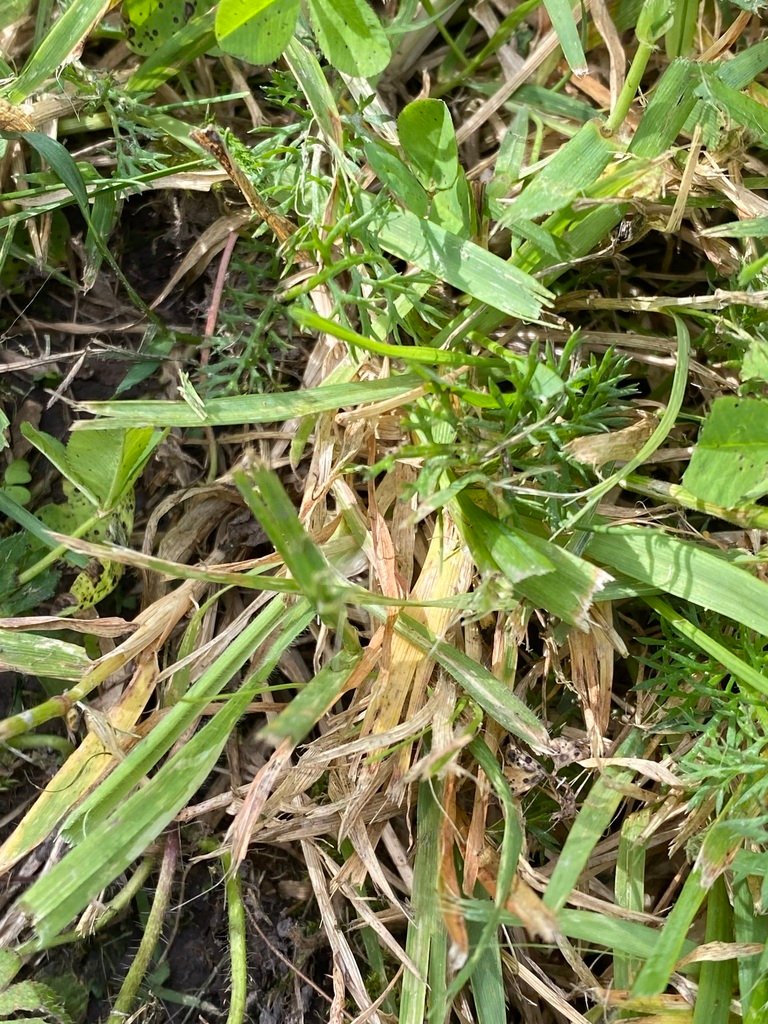
Why Common Yarrow Works in Alabama
In my years studying common yarrow, I’ve come to appreciate this resilient member of the Asteraceae family as one of nature’s most adaptable perennials. What draws me to Achillea millefolium is its remarkable ability to thrive in challenging conditions – and Alabama’s humid subtropical climate is no exception. While this European native isn’t indigenous to your region, it has found a comfortable home in gardens across the Heart of Dixie.
What makes common yarrow particularly well-suited to Alabama is its exceptional heat tolerance and drought resistance once established. During those sweltering summer months when temperatures soar and humidity hangs heavy, many plants struggle – but yarrow keeps on blooming. Its feathery, fern-like foliage creates a soft texture in the garden, while its flat-topped flower clusters in white, pink, or yellow provide nectar for bees, butterflies, and moths throughout summer and fall.
Getting Started
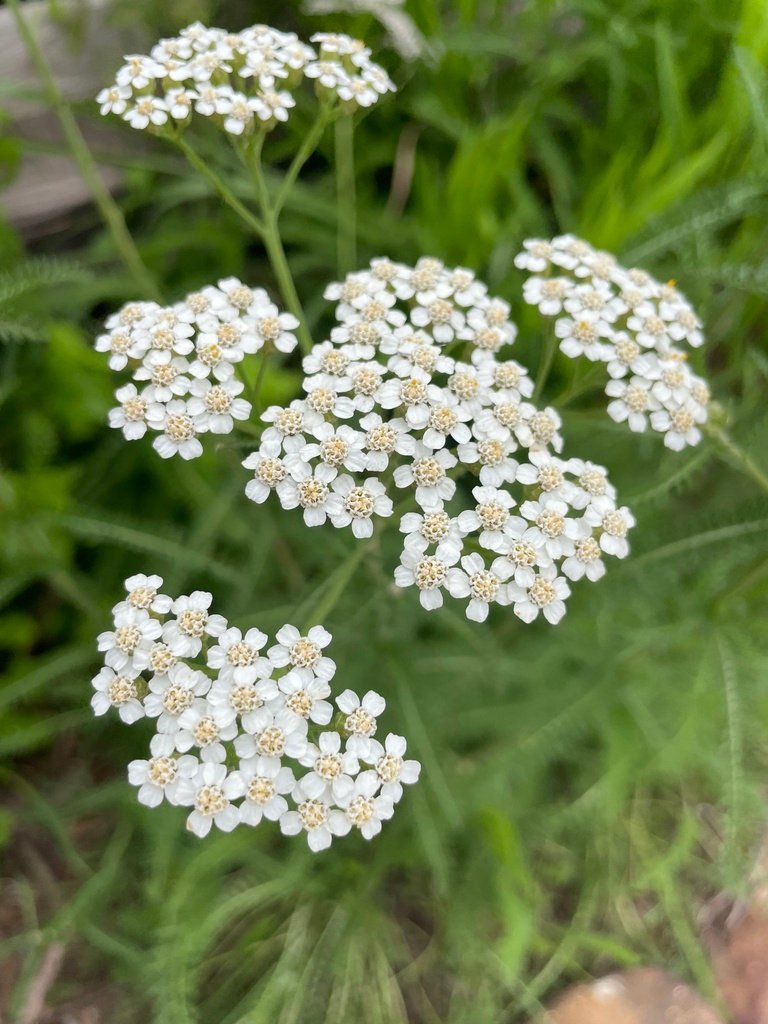
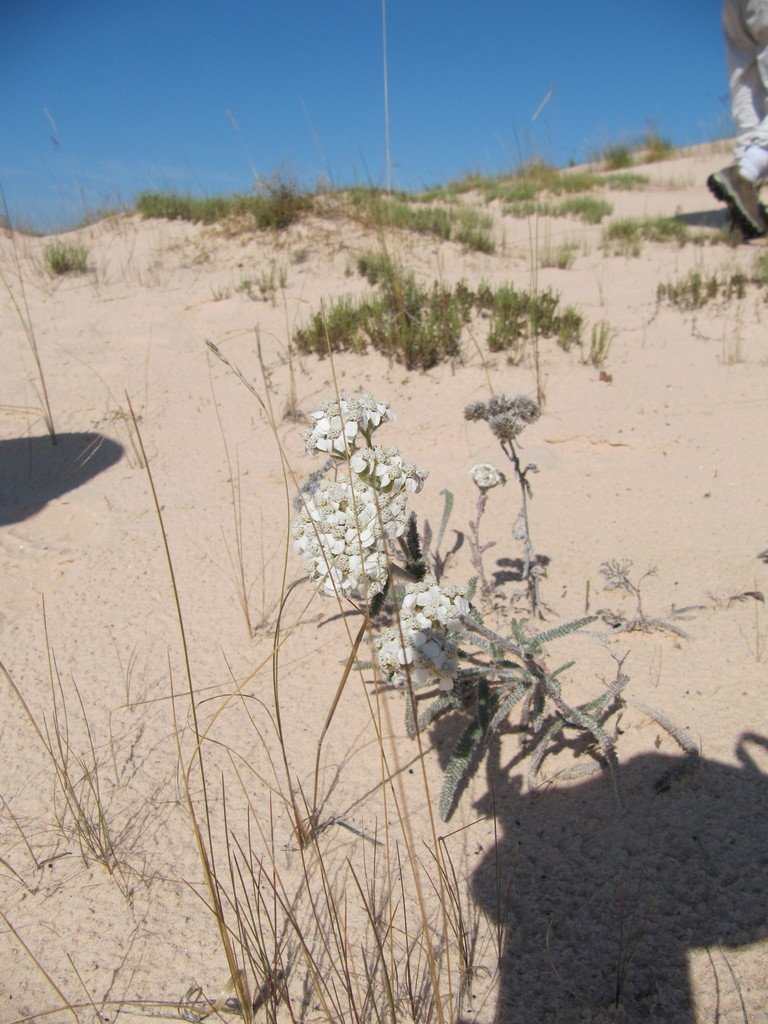
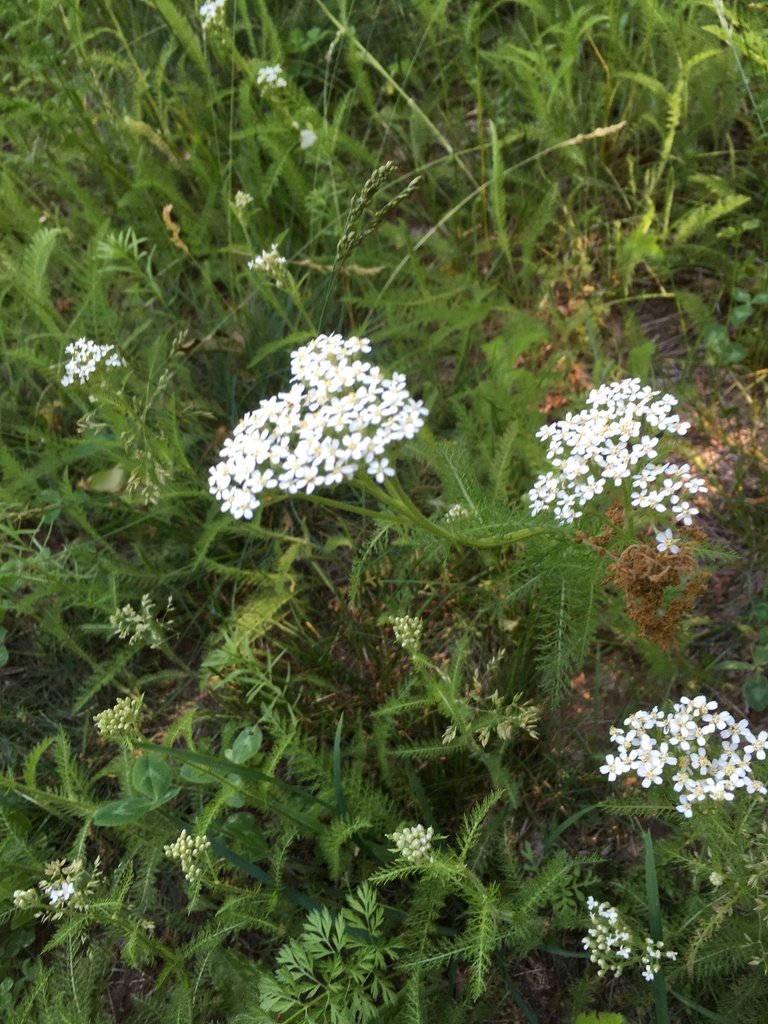
For Alabama gardeners, the sweet spot for planting common yarrow is in early spring, once your last frost passes in late March, or in early fall when temperatures begin to moderate. What I’ve learned about humid subtropical climates is that giving plants time to establish before the intense summer heat arrives makes all the difference in their long-term success.
Choose a spot that receives full sun – at least six hours of direct sunlight daily. Common yarrow is remarkably adaptable when it comes to soil, tolerating everything from sandy to clay conditions and a wide pH range. In fact, it often performs better in average to poor soils than in rich, fertile ground. In Alabama’s often heavy clay soils, the main consideration is drainage. If water tends to pool after rains, consider planting yarrow in raised beds or on a gentle slope.
Space your plants 12 to 18 inches apart, keeping in mind that established clumps will spread to about 1 to 2 feet wide and reach 1 to 3 feet tall. This fast-growing perennial will fill in quickly, creating a lovely carpet of textured foliage.
Through the Seasons
Common yarrow follows a predictable rhythm through Alabama’s long growing season, which typically runs from late March through mid-November. In spring, new growth emerges as the soil warms, quickly developing into those characteristic feathery leaves that give the plant such appeal even before blooming begins.
During your hot, humid summers, yarrow truly shines. While many plants wilt under the intense heat and humidity, yarrow’s deep taproot allows it to access moisture well below the surface. Once established, it requires very little supplemental watering – a real blessing during dry spells. The blooming begins in summer and continues well into fall, providing consistent color when many other perennials have finished their show.
In humid subtropical regions like yours, the key to success is avoiding overwatering. The natural rainfall combined with high humidity provides most of what yarrow needs. I’ve learned that less is often more with this plant – it’s far more likely to suffer from too much moisture than too little.
Care & Keeping
What I’ve learned from years with this plant is that common yarrow rewards a hands-off approach. As a light feeder, it doesn’t require rich soils or regular fertilization. In fact, too much nitrogen can lead to weak, floppy growth and fewer flowers. A light application of compost in early spring is usually sufficient.
Gardeners in Alabama have found that deadheading spent flowers encourages continued blooming and prevents excessive self-seeding, though many folks enjoy allowing some seed heads to develop for winter interest and to feed birds. In late fall or early spring, cut the plants back to about 4 inches from the ground to make way for fresh growth.
One thing to keep in mind is that yarrow can spread through underground rhizomes. While this makes it excellent for naturalizing areas or filling in slopes, you may need to divide clumps every few years to keep them from overwhelming nearby plants. This is easily done in spring or fall – simply dig up sections and replant them elsewhere or share with fellow gardeners.
If You Want to Harvest
Common yarrow has a long history of use in traditional herbalism, and many parts of the plant are considered edible. The best time to harvest flowers is when they’re fully open, preferably in the morning after the dew has dried. The leaves can be harvested throughout the growing season.
I always remind folks to harvest responsibly – never take more than one-third of a plant at any time, and always be absolutely certain of your plant identification before consuming anything. While yarrow is generally considered safe, it’s wise to research thoroughly and consult with knowledgeable sources before using any plant medicinally or culinarily.
Challenges You Might Face
In Alabama’s humid conditions, common yarrow may occasionally deal with aphids, spider mites, or thrips, particularly during stressed periods. Here’s what tends to work for these problems: strong water sprays can dislodge aphids, while ensuring good air circulation around plants helps prevent many pest issues.
From talking with Alabama gardeners, I’ve learned that the most common issue isn’t pests but rather overwatering or poor drainage. In heavy clay soils that stay wet, yarrow can develop root rot. The solution is improving drainage through soil amendments or raised planting areas.
Another challenge some gardeners face is yarrow’s enthusiastic spreading habit. While this can be an asset in naturalized areas, it may require management in formal gardens. Regular division every 3 to 4 years keeps clumps healthy and contained.
Good Companions for Alabama Gardens
I like to pair common yarrow with other heat-tolerant perennials that appreciate similar growing conditions. Purple coneflower makes an excellent companion, providing vertical structure with its prominent seed heads while sharing yarrow’s love of full sun and well-drained soil.
For aromatic interest, lavender creates a beautiful combination, with its silvery foliage complementing yarrow’s feathery texture. Both plants attract beneficial pollinators and thrive in Alabama’s heat.
Black-eyed Susan adds bright yellow blooms that bridge beautifully with yarrow’s yellow varieties, creating a sunny, naturalistic planting that butterflies and bees adore. For native plant enthusiasts, native asters extend the blooming season well into fall, picking up where yarrow’s peak performance begins to wane.
Plant Profile at a Glance
| Botanical Name | Achillea millefolium |
| Common Names | common yarrow, common yarrow |
| Plant Family | Asteraceae |
| Plant Type | Herbaceous Perennial |
| Life Span | Perennial |
| Mature Size | 1-3 ft tall × 1-2 ft wide |
| Growth Rate | Fast |
| Hardiness Zones | 3-9 (your area: 7-9) |
| Native to Alabama | No |
| Sunlight Needs | Full Sun |
| Water Requirements | Low |
| Soil Preference | Adaptable, pH Adaptable |
| Heat Tolerance | High |
| Bloom Time | Summer, Fall |
| Flower Color | White, Pink, Yellow |
| Foliage Type | Herbaceous |
| Fruit Type | Achene |
| Edibility | Parts Edible |
| Toxicity | None |
| Pollinator Value | Bees, Butterflies, Moths |
| Propagation Methods | Division, Seed, Cuttings |
| Spacing | 12-18 inches |
A Few Last Thoughts
Common yarrow has earned its place in gardens worldwide through sheer dependability, and Alabama gardens are no exception. Its ability to thrive in your heat and humidity while requiring minimal care makes it a valuable addition to any landscape, whether you’re creating a formal perennial border or establishing a naturalized meadow area.
Remember that gardening is always a journey of learning and observation. Every garden has its own microclimate and conditions, so don’t be afraid to experiment and see how yarrow performs in your specific location. The beauty of working with such an adaptable plant is that it’s quite forgiving as you learn its preferences.
For additional guidance specific to your local conditions, I always recommend connecting with your Alabama Cooperative Extension Service. They have invaluable knowledge about regional growing conditions and can provide advice tailored to your specific county and soil conditions.