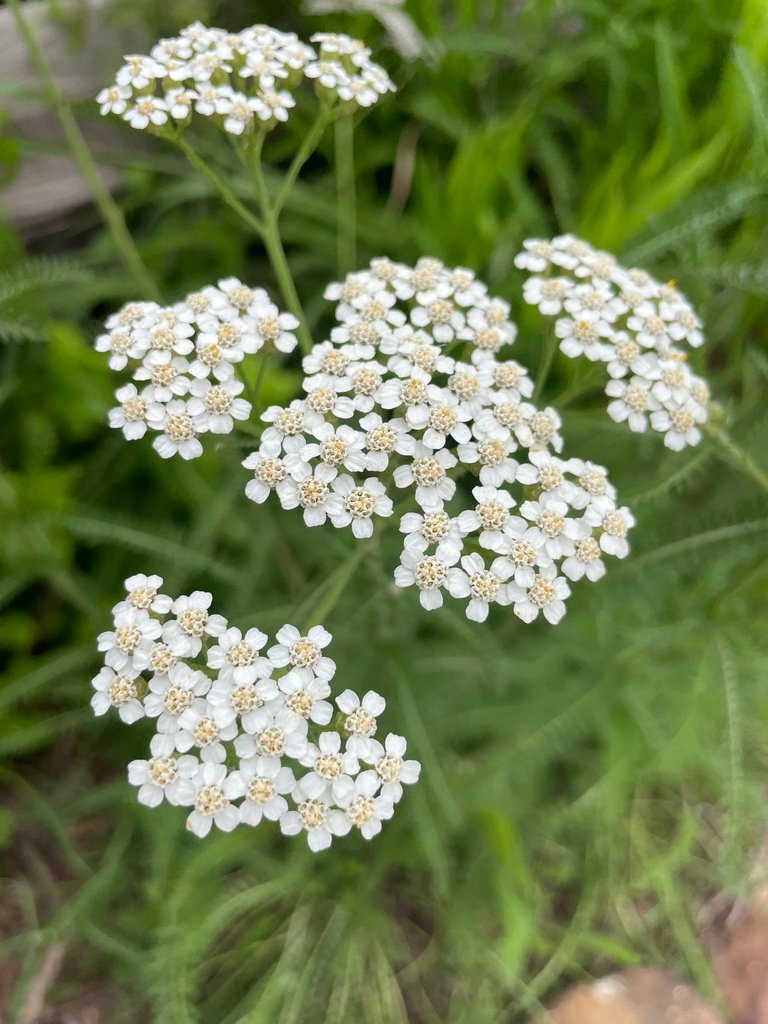
Why Common Yarrow Works in Alaska
In all my years studying plants, few have impressed me as much as common yarrow for its sheer adaptability and resilience. This remarkable native wildflower seems almost designed for Alaska’s challenging conditions. What I’ve learned about yarrow is that it’s one of those plants that actually thrives in the subarctic to maritime climate that defines so much of Alaska – it doesn’t just survive your short growing season, it makes the most of every frost-free day from late May through early September.
Folks in Alaska often call this simply “yarrow,” and once you see those delicate, feathery leaves and flat-topped clusters of flowers dotting the landscape, you’ll understand why it’s become such a beloved garden staple. What really draws me to recommend yarrow for Alaska gardens is its remarkable cold tolerance – thriving in zones 3-9 while your area spans zones 1-8 – and its ability to attract beneficial insects even during your brief but intense growing season.
Getting Started
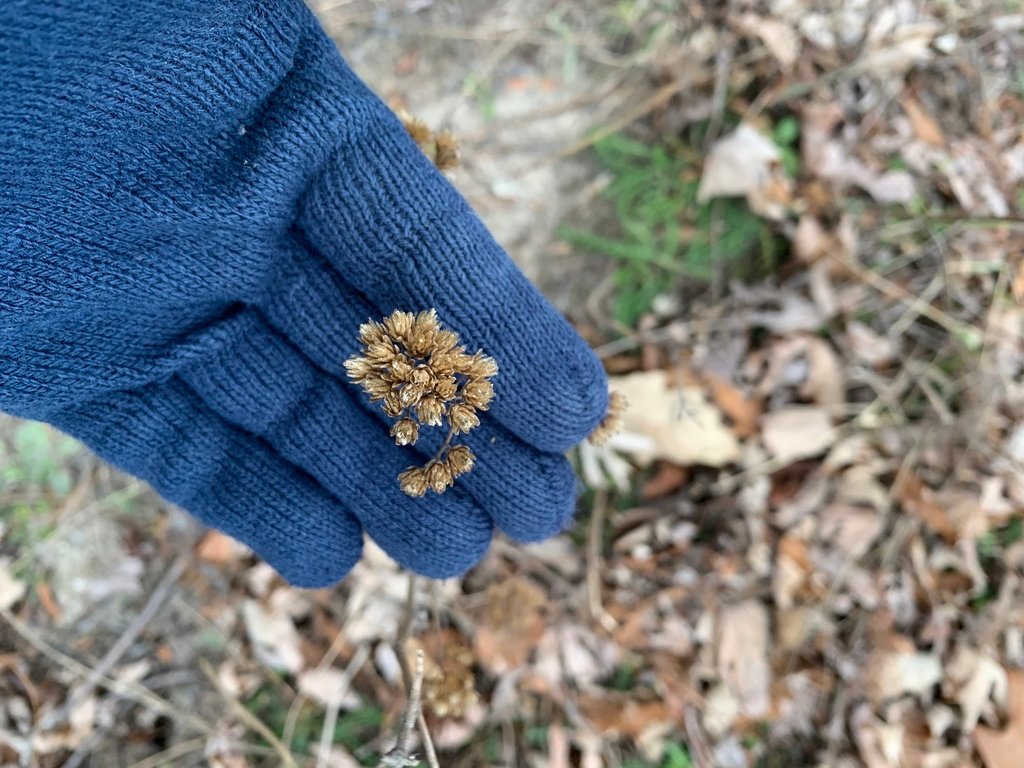
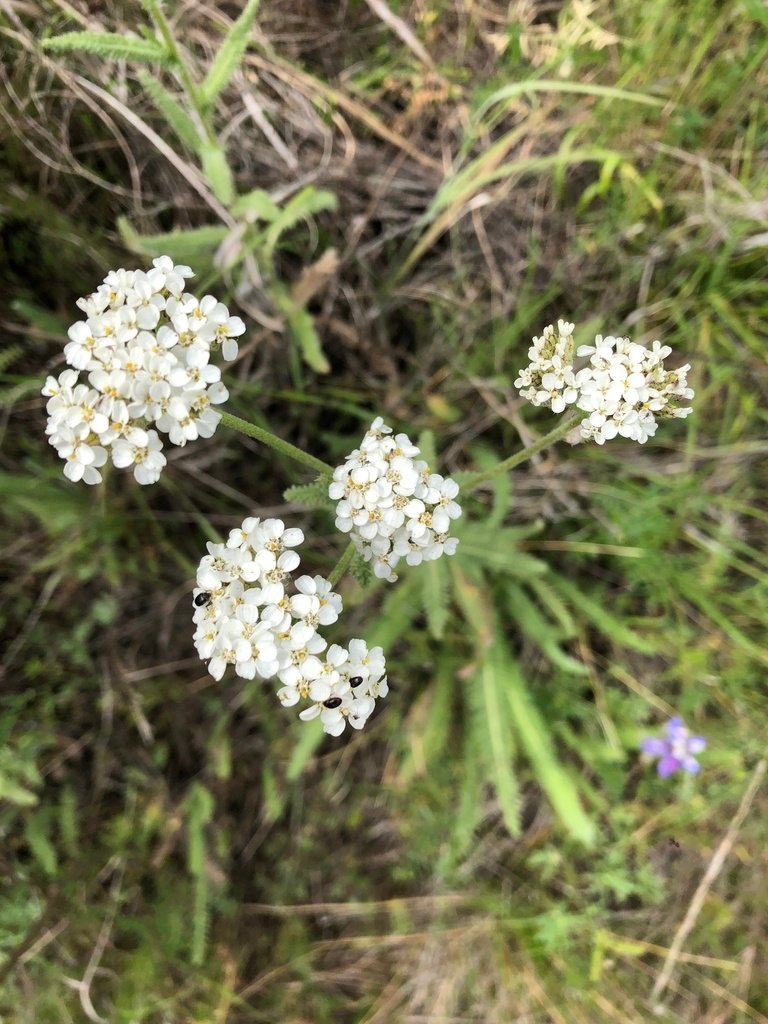
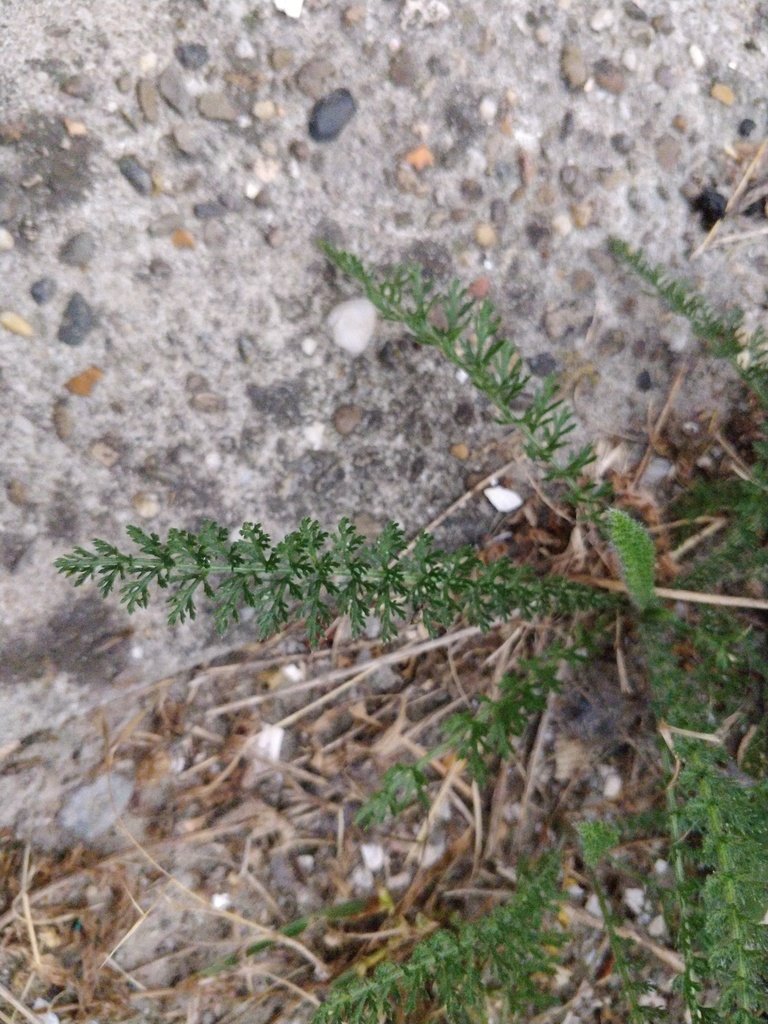
For Alaska gardeners, the sweet spot for planting yarrow is right after your last frost danger passes in late May to early June. What I’ve learned about subarctic climates is that plants like yarrow actually benefit from that sudden transition into your growing season – they seem to wake up with tremendous vigor once the soil warms.
Choose the sunniest spot you can find in your garden. Yarrow is one of those sun-loving plants that really needs those long Alaska summer days to reach its full potential. The wonderful thing I’ve discovered through my research is how adaptable this plant is to different soil conditions. Whether you’re dealing with sandy soil, clay, or something in between, yarrow will likely adapt. It’s not fussy about pH either, which is a real blessing for gardeners working with Alaska’s varied soil conditions.
Space your plants about 12 to 18 inches apart. They’ll spread naturally over time, filling in to create a lovely carpet of textured foliage topped with those characteristic flower clusters.
Through the Seasons
What fascinates me about yarrow in Alaska’s climate is how it makes the most of your compressed growing season. Once established, it puts on impressive growth through June and July, then rewards you with blooms that can last from midsummer well into fall – sometimes right up until your first hard frost.
In subarctic to maritime regions like yours, I’ve learned that yarrow’s drought tolerance becomes a real asset. During those intense summer days when temperatures can soar and rainfall might be sporadic, yarrow just keeps going. Once established, it needs very little supplemental watering. In fact, gardeners in Alaska have told me they rarely water their yarrow patches except during the most extreme dry spells.
During your long winter months, the plant goes completely dormant. Don’t worry when those herbaceous stems die back – that’s perfectly normal. The roots are busy storing energy for next year’s spectacular show.
Care & Keeping
What I’ve learned from years with this plant is that less is definitely more when it comes to feeding yarrow. It’s what we call a light feeder, meaning it actually prefers lean soil conditions. Rich, heavily fertilized soil can make yarrow grow too tall and floppy, losing that compact, sturdy form that makes it so attractive.
Gardeners in Alaska have found that a light application of compost in early spring is usually all the feeding yarrow needs. If you want to encourage more blooms, you can deadhead the spent flowers, but I often tell folks to leave some of those seed heads for winter interest and to feed the birds.
One thing I always mention is yarrow’s tendency to spread. This fast-growing plant can become quite enthusiastic about colonizing space, which can be wonderful if you want ground cover, but you might need to divide clumps every few years to keep them in bounds.
If You Want to Harvest
Here’s something wonderful about yarrow – it’s been used by people for centuries, and parts of the plant are indeed edible and useful. The best time to harvest is when the flowers are fully open, preferably in the morning after the dew has dried but before the heat of the day.
The flowers and leaves can be dried for herbal teas, though I always remind gardeners to harvest responsibly and never take more than a third of the plant at once. In Alaska’s indigenous traditions, yarrow has been valued for various purposes, adding a meaningful cultural connection to this already remarkable plant.
Always be absolutely certain of your plant identification before harvesting anything, and consult with knowledgeable local sources about traditional uses and preparation methods.
Challenges You Might Face
From talking with Alaska gardeners, the most common issues they encounter with yarrow are aphids, spider mites, and occasionally thrips. The good news is that these problems are usually manageable and rarely serious enough to threaten the plant’s survival.
Here’s what tends to work for these problems: for aphids, a strong spray of water often dislodges them effectively. Spider mites can be more troublesome during hot, dry spells, but maintaining good air circulation around your plants helps prevent infestations. If you do spot thrips, they’re those tiny, slender insects that can cause silvery stippling on leaves.
What I’ve observed is that healthy, unstressed yarrow plants are much less susceptible to pest problems. In Alaska’s climate, the natural predator insects that help control these pests are usually active during your growing season, providing natural balance to your garden ecosystem.
Good Companions for Alaska Gardens
I love pairing yarrow with other hardy perennials that can handle Alaska’s conditions. Purple coneflower makes an excellent companion – both attract pollinators and have similar care requirements. For a lovely textural contrast, try wild bergamot, whose aromatic foliage complements yarrow’s feathery leaves beautifully.
Shasta daisy creates a wonderful classic combination with yarrow’s flat-topped blooms, and both are tough enough for your climate. For early season interest before the yarrow really gets going, Arctic lupine provides that vertical element and gorgeous blue spikes that contrast beautifully with yarrow’s horizontal flower clusters.
Plant Profile at a Glance
| Botanical Name | Achillea millefolium |
| Common Names | common yarrow, yarrow |
| Plant Family | Asteraceae |
| Plant Type | Herbaceous Perennial |
| Life Span | Perennial |
| Mature Size | 1-3 ft tall × 1-2 ft wide |
| Growth Rate | Fast |
| Hardiness Zones | 3-9 (your area: 1-8) |
| Native to Alaska | Yes |
| Sunlight Needs | Full Sun |
| Water Requirements | Low |
| Soil Preference | Adaptable, pH Adaptable |
| Heat Tolerance | High |
| Bloom Time | Summer, Fall |
| Flower Color | White, Pink, Yellow |
| Foliage Type | Herbaceous |
| Fruit Type | Achene |
| Edibility | Parts Edible |
| Toxicity | None |
| Pollinator Value | Bees, Butterflies, Moths |
| Propagation Methods | Division, Seed, Cuttings |
| Spacing | 12-18 inches |
A Few Last Thoughts
There’s something deeply satisfying about growing a plant that’s truly at home in your landscape. Common yarrow isn’t just surviving in Alaska – it’s thriving, bringing color, texture, and life to gardens across your magnificent state. Whether you’re just starting out with gardening or you’ve been at it for years, yarrow offers that perfect combination of beauty and reliability that every garden needs.
Remember, gardening is always a learning process, and every season teaches us something new. Don’t be discouraged if everything doesn’t go perfectly the first time – even after all these years, I’m still learning from my plants. For the most current local growing advice and soil testing resources, I always recommend checking with your Alaska Cooperative Extension Service. They’re an invaluable resource for region-specific guidance.
Happy gardening, and I hope your yarrow brings you as much joy as it has brought to gardens across Alaska for generations.